
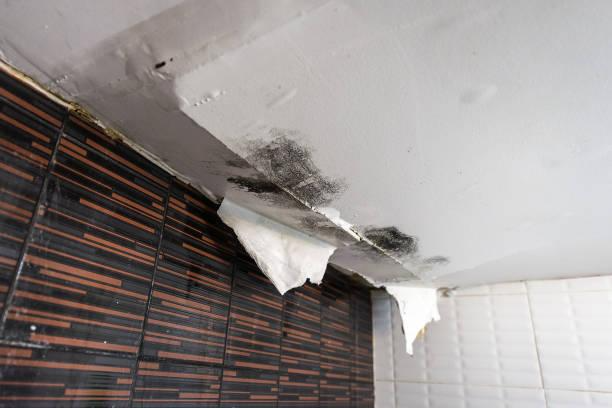
White mold on concrete floors and walls is a common problem in areas with high moisture or poor ventilation. While it may appear less harmful than black mold, white mold on concrete can still damage surfaces, cause structural issues, and trigger allergies or respiratory problems. Proper identification, removal, and prevention are essential for maintaining a safe and clean environment.
Identifying White Mold on Concrete
White mold often appears as a powdery or fuzzy substance on concrete surfaces. It may form in patches and can range in color from pure white to off-white or light gray. Moisture is a key factor in mold growth, so areas like basements, garages, and poorly ventilated rooms are more prone to infestation. Identifying the presence of white mold early is critical to preventing further damage and health risks.
Safety Precautions Before Treatment
Before addressing white mold, safety precautions are important. Protective gear such as gloves, goggles, and a mask should be worn to avoid inhaling spores or coming into direct contact with the mold. Adequate ventilation is necessary during cleaning to reduce the concentration of airborne spores. Removing furniture or covering items in affected areas can prevent contamination and make the cleaning process more efficient.
Cleaning and Removing White Mold
Effective removal of white mold involves a combination of mechanical cleaning and chemical treatment. Start by scrubbing the affected areas with a stiff-bristled brush to remove surface mold. This helps expose deeper layers and makes chemical treatments more effective. For more persistent mold, solutions such as diluted bleach, vinegar, or specialized mold removers can be applied. Always follow manufacturer instructions and ensure the area remains well-ventilated during treatment.
Drying and Reducing Moisture
Moisture control is essential to prevent white mold from returning. After cleaning, thoroughly dry concrete floors and walls using fans, dehumidifiers, or natural ventilation. Identify and fix any sources of water intrusion, such as leaks, cracks, or condensation issues. Proper drainage around the building and sealing cracks in the concrete can significantly reduce the likelihood of future mold growth.
Applying Protective Treatments
Once the area is cleaned and dried, applying a protective sealant or mold-resistant coating can provide long-term protection. Concrete sealers create a barrier that reduces moisture absorption and prevents mold spores from penetrating the surface. This preventive step is particularly important in basements, garages, and other areas prone to dampness. Regular inspections and maintenance of the sealant can further enhance its effectiveness.
Maintaining a Mold-Free Environment
Ongoing maintenance is key to preventing white mold on concrete. Keeping humidity levels low, improving air circulation, and addressing leaks promptly are essential strategies. Regular cleaning and monitoring for early signs of mold growth allow for immediate action before the problem escalates. Using moisture absorbers or dehumidifiers in areas prone to dampness can also help maintain a healthy environment.
Conclusion
Treating white mold on concrete floors and walls requires a comprehensive approach that combines identification, removal, moisture control, and preventive measures. By taking safety precautions, cleaning affected areas, drying surfaces, and applying protective treatments, homeowners can effectively eliminate white mold and prevent its return. Maintaining low humidity and proper ventilation ensures a long-term solution, protecting both the structural integrity of the concrete and the health of residents.