
Sustainability has long been a buzzword in Singapore’s urban planning. But beyond policy and public infrastructure, sustainability is increasingly shaping how residents choose homes. In dense city living, sustainable neighbourhoods are not just about environmental values—they are about practical, long-term quality of life.
Residents today are considering how their home supports daily health, energy efficiency, and long-term resilience. This has created a growing preference for neighbourhoods that incorporate greenery, walkability, and a lower-carbon lifestyle.
Sustainability as a Lifestyle, Not Just a Policy
Sustainability used to be a concept associated with public transport and city planning. Now, it is becoming a personal lifestyle consideration.
Residents are increasingly interested in living in areas that support walking, cycling, and access to parks. Sustainable living is also tied to reduced reliance on cars, lower energy consumption, and improved air quality—factors that influence daily wellbeing.
Green Spaces as Everyday Infrastructure
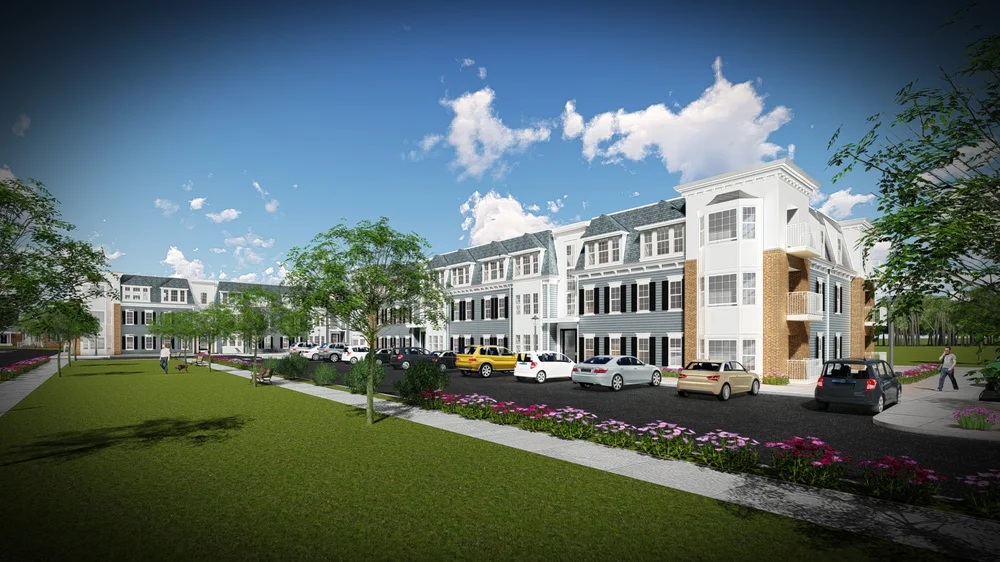
Green spaces are one of the most visible indicators of sustainable living. Parks, tree-lined streets, and nature corridors are not just aesthetic features—they provide real benefits for health and daily life.
In Singapore, green spaces also help moderate urban heat and improve air quality. For residents, having access to parks within walking distance supports daily exercise and mental wellbeing.
Walkability and Reduced Reliance on Cars
Sustainable neighbourhoods often have higher walkability. Residents can complete daily errands without relying on cars, reducing emissions and supporting healthier lifestyles.
Walkable neighbourhoods also support community interaction. When residents can walk to amenities, they are more likely to engage with their surroundings and build social connections.
Energy Efficiency and Modern Design
Sustainable living also relates to the design of homes. Modern developments increasingly incorporate energy-efficient features such as improved insulation, efficient ventilation, and smart home technology.
These features not only reduce energy costs but also support a more comfortable living environment. Homes that are designed with sustainability in mind often offer better comfort and long-term practicality.
Mature Districts and Sustainable Living
Mature districts can be among the most sustainable because they already offer established amenities, walkability, and green spaces. Residents in mature districts often benefit from reduced commuting needs and more efficient daily routines.
Developments like Hudson Place Residences are located within mature neighbourhoods where sustainable living is supported by established infrastructure.
Sustainable Living and Long-Term Value
Sustainable neighbourhoods can also offer long-term value stability. As environmental awareness increases, residents and investors are likely to prioritise locations that support a lower-carbon lifestyle.
This trend is expected to strengthen over time, making sustainable neighbourhoods increasingly desirable in Singapore’s property market.
The Role of Community in Sustainable Living
Sustainable living is also a community effort. Residents who share a neighbourhood’s values are more likely to support local initiatives, reduce waste, and participate in community green activities.
This shared commitment contributes to a stronger sense of belonging and long-term neighbourhood cohesion.
Conclusion
Sustainable neighbourhoods are becoming a practical choice in Singapore, driven by lifestyle, health, and long-term resilience. Green spaces, walkability, and energy-efficient living are not just environmental ideals—they are components of a higher quality of life.
Developments such as Hudson Place Residences and Dunearn House illustrate how mature districts can support sustainable living through established infrastructure and lifestyle convenience. As Singapore’s urban landscape evolves, sustainability is likely to remain a core factor shaping residential desirability and long-term value.