
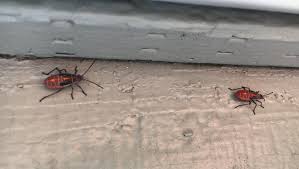
Boxelder bugs can be found around Bend homes every year. Their dark bodies with red markings make them easy to spot on siding, decks, and windows. These bugs do not bite or damage structures, but their presence can be concerning. So, homeowners must know that boxelder bugs gather so closely around homes. This may have to do with Bend’s climate and the presence of local trees. Also, how boxelder bugs survive seasonal changes can be a factor. Homeowners who are dealing with boxelder bugs on their property can rely on Pointe Pest Control for help in eliminating and preventing these pests from returning.
Boxelder Trees Can Affect the Boxelder Bug Activity
Boxelder bugs feed on boxelder trees, along with maple and ash trees. Bend neighborhoods with these trees nearby may notice higher bug activity. These insects feed on seeds and sap from female boxelder trees. Homes built near these trees can become part of the bugs’ daily travel path, which brings them closer to siding, fences, and outdoor surfaces.
Warm Surfaces Attract Boxelder Bugs
Boxelder bugs rely on warmth to stay active. Cooler mornings and evenings in Bend can create a strong pull toward sunlit surfaces. South- and west-facing walls heat up during the day and act like natural warming pads. Siding, stone walls, decks, and fences hold heat well. Boxelder bugs gather on these surfaces to raise body temperature. Homes with darker exterior colors may attract more bugs due to added warmth.
Seasonal Changes Push Them Closer
Boxelder bugs search for protected areas to survive colder months as temperatures drop. Homes provide shelter from wind, frost, and snow. During this period, boxelder bugs gather in large groups on exterior walls. They look for cracks, gaps, and sheltered spots where warmth holds longer.
Entry Points Make Homes More Appealing
Homes with small gaps or worn seals offer easy access for the bugs. Boxelder bugs slip through cracks around windows, doors, siding, and vents. They may settle in wall voids, attics, or quiet corners. Bend homes with older construction or weathered exterior materials can be exploited. Boxelder bugs do not breed indoors, but they may remain hidden for long periods once they enter.
Light and Contrast Draw Attention
Boxelder bugs respond to visual cues. Light-colored siding and reflective surfaces draw them in. Windows, trim, and sunlit garage doors often host clusters during warm afternoons. Contrast between shaded and sunny areas can also be an issue. Bugs move back and forth as temperatures change.
Landscaping Adds to the Appeal
Landscaping near foundations affects bug activity. Mulch, leaf piles, and dense plants offer cover. Boxelder bugs can find short paths indoors when these areas sit close to entry points. Woodpiles stacked near homes also attract them.
Dry Indoor Spaces Offer Shelter
Boxelder bugs look for dry, quiet spaces. They may use wall voids, attics, and basements as resting areas. These bugs remain inactive for long periods while waiting for warmer conditions. Indoor warmth during winter can wake them up. This leads to surprise sightings near windows or light fixtures.
Bend’s Climate Supports Their Cycle
Bend’s high desert climate shapes boxelder bug behavior. Warm days paired with cool nights can lead to strong temperature changes. These conditions push bugs to seek stable warmth. Snow cover in winter removes outdoor shelter options. Homes become the safest choice for the bugs. Spring warmth then draws boxelder bugs back outside, often toward the same trees that supported them before.
Human Activity Influences Movement
Outdoor habits affect boxelder bug behavior. Open doors, garage use, and patio activity can create entry chances. Bugs resting on walls may slip inside during daily routines. Items stored near exterior walls, such as firewood or patio furniture, give bugs extra shelter.