
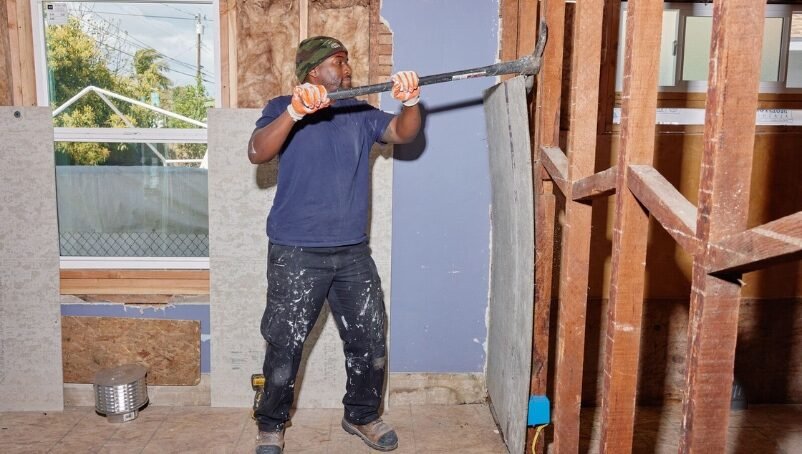
Becoming a contractor is a career goal for many people who enjoy building, solving problems, and managing projects. While the journey takes time, it can lead to a stable career, higher earning potential, and the opportunity to run your own business. In most cases, it takes about 3 to 7 years to become a licensed contractor, depending on your education, work experience, and the licensing rules where you live. If you plan to work in California, understanding the general contractor license California requirements is an important first step because the state has specific experience, application, and examination standards that every applicant must meet.
There is no single path to become a general contractor in California that works for everyone. Some people start working in construction right after high school, while others attend a trade school or college before entering the field. Your timeline depends on how quickly you gain practical experience and complete the licensing process.
This guide explains what contractors do, what affects the timeline, the steps to becoming licensed, the different contractor career paths, common challenges, and practical tips to help you reach your goal faster.
What Does a Contractor Do?
A contractor is responsible for managing construction projects from start to finish. They make sure work is completed safely, on time, and within budget. Contractors work on residential homes, commercial buildings, renovations, and many other construction projects.
Although the daily tasks can vary depending on the project, most contractors perform several important responsibilities.
Managing Construction Projects
One of the main responsibilities of a contractor is overseeing the entire construction process. This includes planning the project, creating schedules, ordering materials, and making sure every stage moves forward smoothly.
Contractors also solve problems that come up during construction so projects stay on track.
Supervising Workers and Subcontractors
Construction projects often involve different skilled trades such as electricians, plumbers, roofers, painters, and carpenters. Contractors hire and coordinate these professionals to complete specialized work.
They also inspect the quality of the work and make sure everyone follows the project plans.
Managing Costs and Budgets
Contractors estimate project costs before work begins. Throughout construction, they monitor spending on labor, equipment, and materials to avoid going over budget.
Strong budgeting skills help contractors keep projects profitable while delivering quality work.
Following Building Codes and Safety Rules
Every construction project must follow local building regulations and safety requirements. Contractors obtain permits when necessary and make sure the work meets inspection standards.
Following these rules protects workers, property owners, and the contractor’s business.
How Long Does It Take to Become a Contractor?
Most people become contractors in 3 to 7 years, although some may take less or more time depending on their situation.
Several factors affect the overall timeline.
Education
A high school diploma or GED is usually the minimum educational requirement. Many future contractors also attend trade schools to learn construction skills.
Some choose to earn a college degree in construction management or engineering. While higher education may take longer, it can provide additional knowledge that helps later in your career.
Hands-On Experience
Practical work experience is one of the biggest requirements for becoming a licensed contractor.
Many states require between 2 and 5 years of construction experience before allowing you to apply for a contractor license.
Working under experienced contractors helps you learn:
- Reading blueprints
- Construction methods
- Safety procedures
- Project management
- Customer communication
Licensing Requirements
Every state has its own contractor licensing rules.
For example, someone applying for a general contractor license California must meet experience requirements, submit an application, pass state examinations, and meet additional legal requirements before receiving a license.
Other states may have different experience requirements or licensing procedures.
Contractor Specialization
Not every contractor performs the same work.
General contractors manage complete projects, while specialty contractors focus on one trade such as plumbing, electrical work, roofing, or heating and cooling systems.
Specialized careers sometimes require extra certifications or apprenticeships, which may increase the timeline.
Typical Timeline to Become a Contractor
Although every person’s journey is different, the following timeline gives a general idea of what to expect.
Complete High School or Earn a GED (About 4 Years)
Basic education provides the reading, math, and communication skills needed in construction.
Many future contractors also begin learning construction through part-time jobs during high school.
Attend Trade School or College (Optional: 1 to 4 Years)
Trade schools provide practical training in construction techniques, tools, safety, and building systems.
College programs focus more on construction management, estimating, business, and leadership.
Neither option is required everywhere, but both can improve your skills.
Gain Construction Experience (2 to 5 Years)
Working under licensed contractors is one of the most important parts of becoming qualified.
During this time, you’ll learn how construction projects operate from beginning to end while developing technical and leadership skills.
Complete the Licensing Process (3 to 12 Months)
Once you meet your state’s experience requirements, you can begin the licensing process.
This may include:
- Submitting applications
- Providing work experience records
- Passing licensing exams
- Completing background checks
- Purchasing insurance
- Paying licensing fees
Steps to Become a Licensed Contractor
Becoming licensed involves several important steps. Completing them carefully can help avoid unnecessary delays.
Finish Your Basic Education
Most licensing agencies require applicants to have at least a high school diploma or GED.
Strong math and communication skills are valuable when estimating projects and managing construction teams.
Build Construction Experience
Experience teaches skills that cannot always be learned in a classroom.
Working as a laborer, apprentice, carpenter, or construction helper allows you to understand real job site conditions and develop practical knowledge.
Learn Your State’s Licensing Rules
Before applying, research your state’s contractor licensing requirements.
Some states require additional documents, financial information, insurance coverage, or proof of completed projects.
Knowing these requirements early helps you prepare everything in advance.
Study for the Licensing Exam
Most contractor licensing exams include questions about:
- Building codes
- Construction safety
- Business management
- Contracts
- Project planning
- State laws
Many applicants improve their chances of passing by using practice exams and study guides.
Obtain Insurance and Required Bonds
Many states require contractors to carry liability insurance before receiving a license.
Some licensing agencies also require surety bonds that protect customers if contractual obligations are not met.
Types of Contractors
There are several contractor career paths, each with different responsibilities and training requirements.
General Contractor
General contractors oversee complete construction projects from beginning to end.
They hire subcontractors, communicate with clients, manage schedules, and ensure projects meet all building requirements.
Becoming a general contractor typically takes 3 to 7 years.
Specialty Contractor
Specialty contractors focus on one trade.
Examples include:
- Electricians
- Plumbers
- HVAC contractors
- Roofers
- Concrete contractors
Some specialty contractors complete apprenticeships before becoming licensed.
Subcontractor
Subcontractors usually work for general contractors rather than directly with property owners.
Their work focuses on specific parts of construction projects, such as flooring, drywall installation, painting, or tile work.
Some subcontractors can begin working after gaining one to three years of experience.
Independent Contractor
Independent contractors operate their own businesses and work directly with clients.
Besides construction skills, they also handle:
- Marketing
- Customer service
- Scheduling
- Hiring workers
- Business finances
Building a successful independent business often takes several years beyond obtaining a license.
Common Challenges That Can Slow You Down
Many future contractors face obstacles during the licensing process. Understanding these challenges allows you to prepare ahead of time.
Not Passing the Licensing Exam
Some applicants do not pass on their first attempt.
Needing to retake the exam can delay licensing by several months.
Studying consistently before taking the test greatly improves your chances of success.
Missing Documents
Incomplete paperwork is one of the most common reasons applications are delayed.
Keep organized records of:
- Employment history
- Work experience
- Tax documents
- Insurance information
- Identification
Preparing these documents early can save valuable time.
Limited Job Opportunities
Some areas have fewer apprenticeship or entry-level construction positions available.
Networking with contractors and applying to multiple companies can help you gain experience faster.
Financial Costs
The licensing process includes expenses such as:
- Application fees
- Exam fees
- Insurance
- Bond costs
- Study materials
Planning your budget ahead of time helps prevent financial delays.
Tips to Become a Contractor Faster
While you cannot eliminate required experience, you can make smarter decisions that help speed up the process.
Start Working Early
Even part-time construction work during school provides valuable experience and helps you build industry connections.
The earlier you begin, the sooner you can meet experience requirements.
Combine Learning With Practical Experience
Trade schools that include apprenticeships allow students to learn in the classroom while gaining real construction experience.
This approach helps you develop skills more quickly.
Research Licensing Requirements Before You Apply
Understanding your state’s rules early allows you to collect documents, prepare for exams, and avoid mistakes that delay approval.
This is especially important if you’re pursuing a general contractor license California, where applicants must meet detailed experience and licensing requirements.
Stay Organized
Maintain copies of employment records, project history, certifications, and financial documents.
Being organized makes the licensing process much smoother.
Final Thoughts
Becoming a contractor is not something that happens overnight, but the time invested is often well worth it. Most people spend 3 to 7 years building the education, experience, and qualifications needed to become licensed. During that time, they develop valuable skills in construction, leadership, budgeting, and project management that prepare them for long-term success.
Whether you want to become a general contractor, specialize in a particular trade, or eventually run your own construction company, careful planning can help you reach your goals more efficiently. Learn your local licensing requirements early, gain as much hands-on experience as possible, stay organized throughout the application process, and continue improving your knowledge. With patience and dedication, you can build a rewarding career and create opportunities that last for many years.