
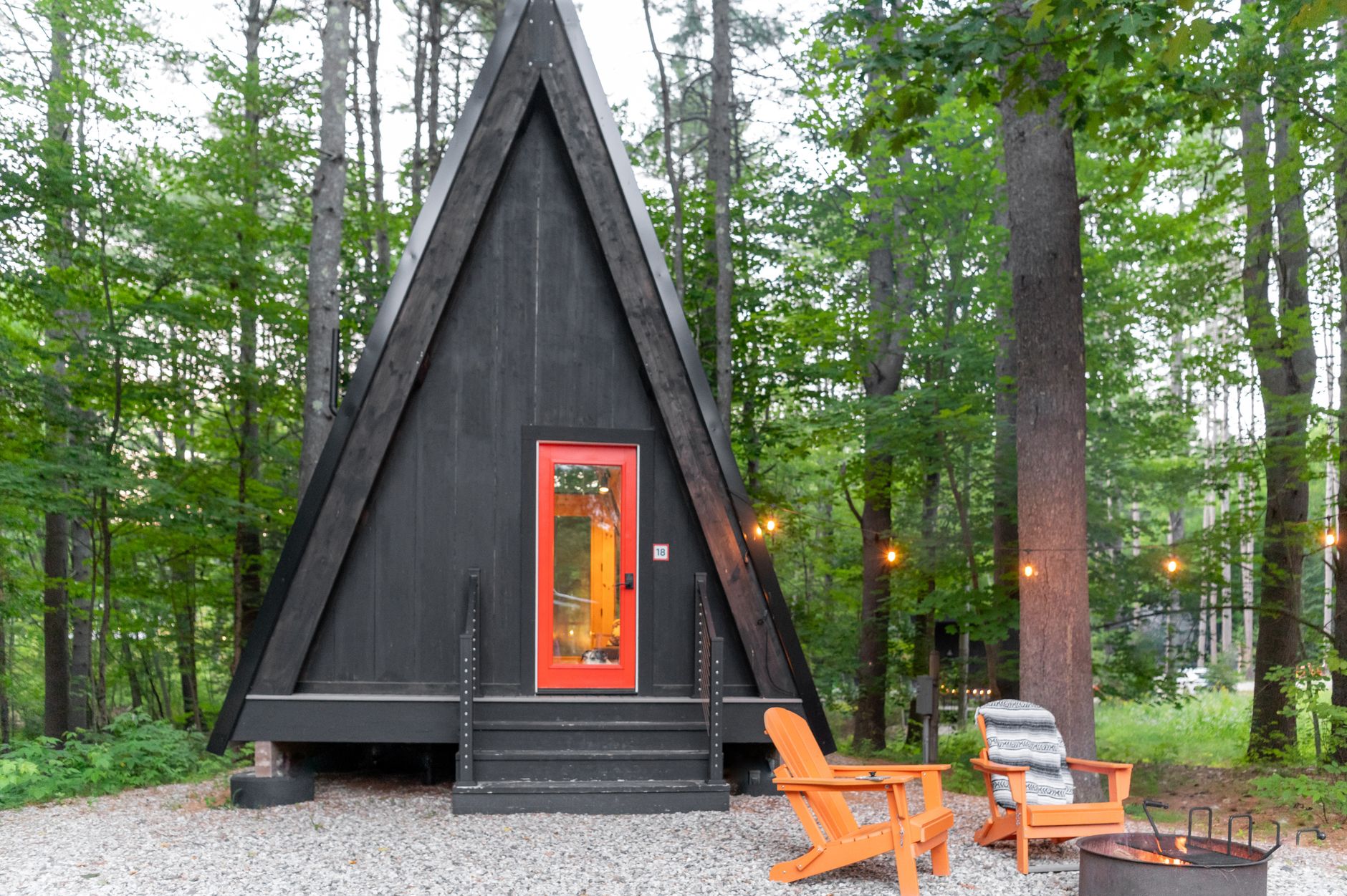
Airbnb housing projects are set to receive a significant $250 million commitment aimed at revitalizing stalled developments across the U.S. This funding is expected to help address housing shortages and support local economies.
Overview of Airbnb’s Commitment
Airbnb has announced a significant commitment of $250 million aimed at revitalizing stalled housing projects across the United States. This investment is expected to play a crucial role in addressing the ongoing housing crisis by providing much-needed funding to projects that have faced delays. The initiative is part of Airbnb’s broader strategy to support affordable housing and sustainable community development.
By focusing on Airbnb housing projects, the company aims to not only enhance its image but also contribute to solving pressing housing issues in various regions. The funds will be allocated to a range of projects, including those that prioritize low-income housing and affordable rentals. Through this financial support, Airbnb hopes to stimulate local economies and create more housing options for residents.
Critics and supporters alike are watching closely to see how this investment will impact the housing landscape. As cities grapple with housing shortages, Airbnb’s commitment represents a potential turning point in addressing these complex challenges.
Impact on US Housing Market
The recent commitment by Airbnb to invest $250 million in housing projects is poised to have a significant impact on the US housing market. Many cities are grappling with housing shortages, and this initiative aims to address that gap by supporting stalled developments.
Critics argue that the influx of funds may not be enough to tackle systemic issues, while proponents believe it could stimulate local economies and create much-needed housing. Airbnb housing projects could lead to an increase in the availability of affordable units, especially in urban areas where demand is high.
Moreover, the investment may encourage collaboration between local governments and private developers, paving the way for innovative solutions to housing challenges. As communities seek to balance the needs of residents and visitors, the outcome of this initiative will be closely monitored.
Ultimately, the success of these projects will depend on effective implementation and community engagement to ensure that they benefit all stakeholders involved.
Challenges Facing Housing Projects
Despite the significant financial commitment, several challenges remain for the Airbnb housing projects aimed at revitalizing stalled developments. One major issue is local zoning laws, which can hinder the approval process for new housing initiatives. Many cities have strict regulations that limit the type of developments that can occur, complicating Airbnb’s efforts to expedite projects.
Additionally, there is a shortage of labor in the construction sector, which has been exacerbated by the ongoing effects of the pandemic. This shortage could lead to increased construction costs and delays in project timelines.
Another challenge is the community perception of Airbnb housing projects. Some residents fear that these developments may lead to an influx of short-term rentals, impacting the local housing market negatively. Addressing these concerns will be crucial for the success of Airbnb’s investment.
Ultimately, while the $250 million investment holds promise, overcoming these obstacles will be necessary to realize the full potential of Airbnb housing projects.
How Will Funding Be Allocated?
The allocation of the $250 million investment by Airbnb for housing projects is expected to focus on several key areas to maximize impact and effectiveness.
- Partnerships with Local Governments: Airbnb aims to collaborate with municipalities to identify stalled housing projects that align with community needs.
- Funding for Infrastructure Improvements: A portion of the funds will be directed toward essential infrastructure upgrades, ensuring that housing projects meet safety and livability standards.
- Support for Affordable Housing Initiatives: The investment will prioritize developments that offer affordable housing options, addressing the pressing need for lower-cost living in many urban areas.
- Streamlining Regulatory Processes: Airbnb plans to work on reducing bureaucratic hurdles that often delay housing project completion, promoting quicker turnaround times.
- Community Engagement Programs: Funding will also go toward initiatives that involve local communities in the planning process, fostering transparency and trust.
This strategic allocation is critical to ensuring that Airbnb housing projects not only launch but thrive in the long term.
Success Stories of Revived Projects
Airbnb housing projects have seen some remarkable success stories that highlight the potential benefits of the company’s $250 million investment. One notable example is a project in San Francisco, where a previously abandoned building was transformed into affordable housing units. This initiative not only revitalized the neighborhood but also provided residents with access to essential services and employment opportunities.
In another case, a collaboration between Airbnb and local governments in Austin resulted in the completion of mixed-income housing developments. These projects created a vibrant community while ensuring a balance between affordability and market rates.
Moreover, in Chicago, a former warehouse was repurposed into sustainable housing, attracting young professionals and families alike. The integration of eco-friendly designs has made these units highly sought after, demonstrating that innovative approaches can yield substantial returns on investment.
Such success stories illustrate that with strategic planning and community involvement, Airbnb housing projects can effectively address housing shortages while fostering inclusive neighborhoods.
Community Reactions to the Investment
Community reactions to the $250 million investment in Airbnb housing projects have been mixed. While some residents express optimism about the potential to alleviate housing shortages, others raise concerns about gentrification and affordability.
Supporters believe that the funding will:
- Stimulate local economies by creating jobs.
- Increase the availability of affordable housing units.
- Enhance neighborhood aesthetics and infrastructure.
However, critics argue that Airbnb housing projects may not prioritize the needs of low-income residents. They fear that the influx of investment could lead to:
- Higher rents and displacement of long-time community members.
- Short-term rental conversions that reduce the stock of permanent housing.
- Loss of community character as new developments cater to tourists.
As discussions continue, it remains to be seen how Airbnb will address these concerns while fulfilling its commitment to housing projects.
Future of Housing Developments
As Airbnb housing projects continue to emerge as a potential solution to the ongoing housing crisis, the future of housing developments may hinge on innovative funding strategies and community engagement. Experts suggest that successful implementation of these projects relies not only on financial investment but also on fostering partnerships with local governments and organizations.
The commitment of $250 million by Airbnb aims to revitalize housing developments that have stalled due to various challenges, from zoning regulations to funding shortages. This investment could pave the way for more affordable housing options, addressing critical shortages in urban areas.
Moreover, the collaboration between Airbnb and local stakeholders is essential for ensuring that these projects meet the needs of the communities they serve. By prioritizing accessibility and sustainability, Airbnb housing projects can create long-lasting benefits, ultimately reshaping the housing landscape for future generations.
In conclusion, the success of these initiatives will depend on their adaptability and responsiveness to the unique challenges facing different regions across the United States.
Photo by Andrea Davis on Pexels