
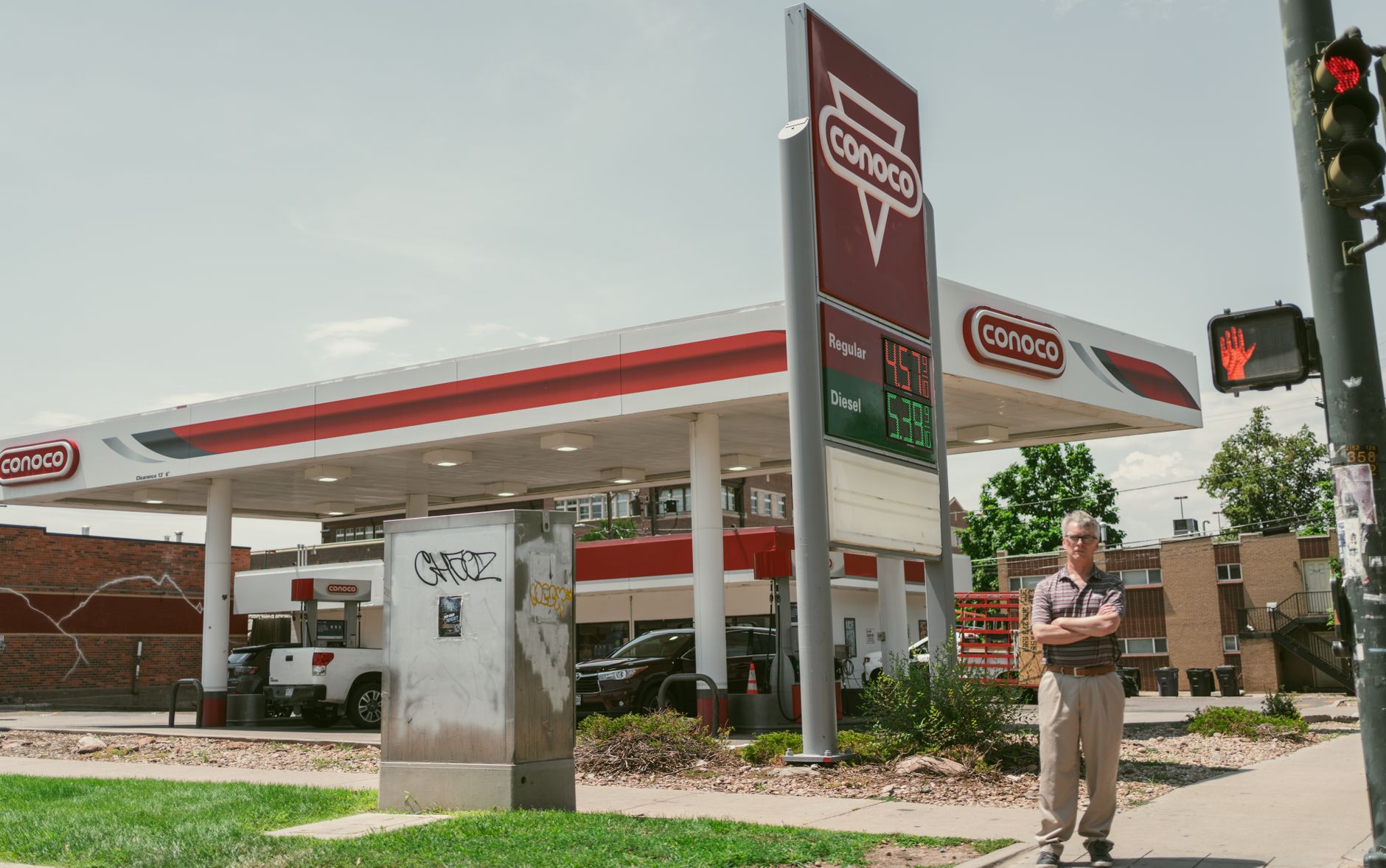
Chicago gas prices are climbing, with local fuel now reaching $5 per gallon. This increase is part of a broader trend affecting drivers across the region.
Current Chicago Gas Prices
As of today, Chicago gas prices have reached alarming levels, with many stations reporting costs nearing $5 per gallon. This surge in fuel prices has caught the attention of residents and commuters alike, leading to concerns about the impact on daily budgets.
According to a recent GasBuddy survey, the average price for unleaded gasoline in the city is currently:
- $4.95 at many local stations
- $5.02 in some neighborhoods
- $4.87 in more affordable areas
This sharp increase in Chicago gas prices can be attributed to several factors, including rising crude oil costs and seasonal demand fluctuations. Experts warn that unless there is a significant change in the global oil market, consumers should prepare for these elevated prices to persist in the coming weeks.
Drivers are advised to consider alternative transportation methods or carpooling options to mitigate the financial burden. As people adjust to these higher costs, the local economy may feel the ripple effects, impacting everything from commuting patterns to the cost of goods and services.
Factors Driving Fuel Cost Increases
The recent surge in Chicago gas prices can be attributed to a variety of factors that have contributed to the overall increase in fuel costs. Understanding these elements is essential for consumers who are feeling the pinch at the pump.
- Crude Oil Prices: One of the primary drivers of fuel costs is the price of crude oil, which has seen fluctuations due to geopolitical tensions and production cuts from major oil-producing countries.
- Seasonal Demand: As summer approaches, demand for gasoline typically rises, especially with more people traveling. This seasonal uptick can lead to higher prices in urban areas like Chicago.
- Refinery Maintenance: Scheduled maintenance and unexpected outages at refineries can lead to reduced gasoline supply, further pushing prices up in local markets.
- Environmental Regulations: Stricter emissions regulations in Illinois may also contribute to increased costs, as refineries are required to produce cleaner fuels.
- Market Speculation: Traders in the commodities market can influence prices based on perceived future supply and demand, leading to price volatility.
As these factors continue to play a role, consumers in Chicago may need to adjust their budgets for rising gas prices.
Impact on Local Economy
The recent surge in Chicago gas prices has begun to ripple through the local economy, affecting both consumers and businesses alike. As fuel costs approach $5 per gallon, residents are feeling the strain on their wallets, leading to shifts in spending habits. Many are opting for less expensive alternatives, which could ultimately impact local businesses that rely on foot traffic and discretionary spending.
Moreover, the rising cost of fuel is also pushing transportation expenses higher for delivery services and logistics companies. This increase may lead to higher prices for goods and services, further squeezing consumers. Local restaurants and retailers may have to adjust their pricing strategies to accommodate the increased costs, which could deter customers.
Additionally, the burden of elevated gas prices can disproportionately affect lower-income families, making it challenging for them to meet daily transportation needs. The potential for decreased consumer spending could create a ripple effect, leading to slower economic growth in the region.
In summary, as Chicago gas prices continue to climb, the implications for the local economy are significant, raising concerns about sustainability and overall economic vitality.
How to Find the Cheapest Gas
As Chicago gas prices continue to soar, finding the cheapest fuel can save drivers a significant amount of money. Here are some tips to help you locate the best deals in your area:
- Use Mobile Apps: Leverage technology by downloading fuel price comparison apps like GasBuddy or Waze. These apps provide real-time data on gas prices at various stations nearby, ensuring you always get the best deal.
- Check Local Websites: Visit local news websites or community forums that often post updates about gas prices. These platforms may highlight stations with promotions or discounts.
- Plan Your Route: If you’re traveling across the city, plan your route to include gas stations known for lower prices. Some stations may offer cheaper rates just a few blocks away from more expensive options.
- Join Loyalty Programs: Many gas stations offer loyalty programs that provide discounts or rewards for frequent customers. Signing up can lead to savings over time, especially as Chicago gas prices climb.
By utilizing these strategies, drivers can navigate the rising costs and find more affordable fuel options amidst the challenging economic landscape.
Historical Gas Price Trends
Historically, Chicago gas prices have experienced significant fluctuations, often influenced by seasonal demand, geopolitical events, and changes in crude oil prices. Over the past decade, the average price per gallon has shown a tendency to spike during summer months, coinciding with increased travel and tourism. In 2020, amid the COVID-19 pandemic, prices dropped to historic lows, providing some relief to consumers. However, as the economy began to recover, prices rebounded sharply.
In 2021, Chicago gas prices began to rise steadily, reflecting a national trend as supply chain issues and refinery outages emerged. By 2022, prices surged past the $4 mark, with some areas reporting costs nearing $5 per gallon. This sharp increase has prompted residents to adjust their budgets and reconsider their travel plans.
Looking back, the surge in fuel costs is reminiscent of the early 2010s when prices also soared due to similar factors. Analysts suggest that unless there is a significant change in the global oil market or local supply conditions, Chicago gas prices may remain elevated, continuing to impact consumers and the local economy.
- 2015: Average price below $2
- 2020: Historic lows during the pandemic
- 2022: Prices exceed $4, nearing $5
Consumer Reactions to Price Hikes
As Chicago gas prices approach the alarming threshold of $5 per gallon, consumers are expressing their frustration and concern over the rising fuel costs. Many residents have taken to social media to voice their dissatisfaction, sharing experiences of budgeting challenges due to increased transportation expenses.
Some consumers are adjusting their daily routines in response to these price hikes. A recent survey revealed that:
- 40% of respondents are considering carpooling to save on gas.
- 30% have begun using public transportation more frequently.
- 25% are limiting trips to essential errands only.
Furthermore, the emotional toll of these rising costs cannot be overlooked. Many drivers express a sense of helplessness, feeling that they have little control over fluctuating prices. One local resident stated, “I never thought I’d see gas prices in Chicago soar like this. It feels like I’m being priced out of my own daily life.”
As the situation unfolds, the impact of soaring gas prices is likely to continue to resonate across the city, forcing consumers to adapt in various ways to cope with the financial strain.
Tips for Saving on Fuel
As Chicago gas prices soar to nearly $5 per gallon, drivers are increasingly looking for ways to save on fuel costs. Here are some effective tips to help you manage expenses at the pump.
- Use Fuel-Efficient Routes: Consider using navigation apps that provide real-time traffic updates. They can help you find the most efficient routes, reducing fuel consumption.
- Maintain Your Vehicle: Regular maintenance, including oil changes and tire inflation, can improve your vehicle’s fuel efficiency. A well-tuned engine performs better and uses less gas.
- Carpool or Use Public Transportation: Sharing rides with others or opting for public transport can significantly lower your fuel expenses, especially in a bustling city like Chicago.
- Monitor Fuel Prices: Utilize apps and websites that track gas prices in your area. This helps you locate the cheapest options and avoid overpaying at the pump.
- Limit Idling: Turn off your engine when parked or waiting for extended periods. Idling consumes fuel without any benefit, contributing to the rising Chicago gas prices.
By implementing these strategies, drivers can alleviate some of the financial pressure caused by increasing fuel costs.
Future Predictions for Gas Prices
As Chicago gas prices continue to ascend, analysts are closely monitoring the market for future trends. Predictions suggest that the ongoing rise in fuel costs may not stabilize in the immediate future. Experts indicate several factors that could contribute to further increases:
- Global Oil Demand: With economic recovery in various parts of the world, demand for oil is expected to surge, putting additional pressure on prices.
- Supply Chain Challenges: Ongoing disruptions in the supply chain can hinder the distribution of fuel, leading to potential shortages and higher prices at the pump.
- Seasonal Effects: The summer months often see a spike in travel, which traditionally drives up gas prices, especially in urban areas like Chicago.
- Geopolitical Tensions: Conflicts in oil-producing regions can create uncertainty in global markets, affecting supply and ultimately driving prices higher.
Considering these factors, Chicago gas prices could reach or exceed $5 per gallon in the coming months if trends continue. Consumers may need to adapt their budgets and spending habits to accommodate these rising fuel costs.
Photo by Paul Mota on Pexels