
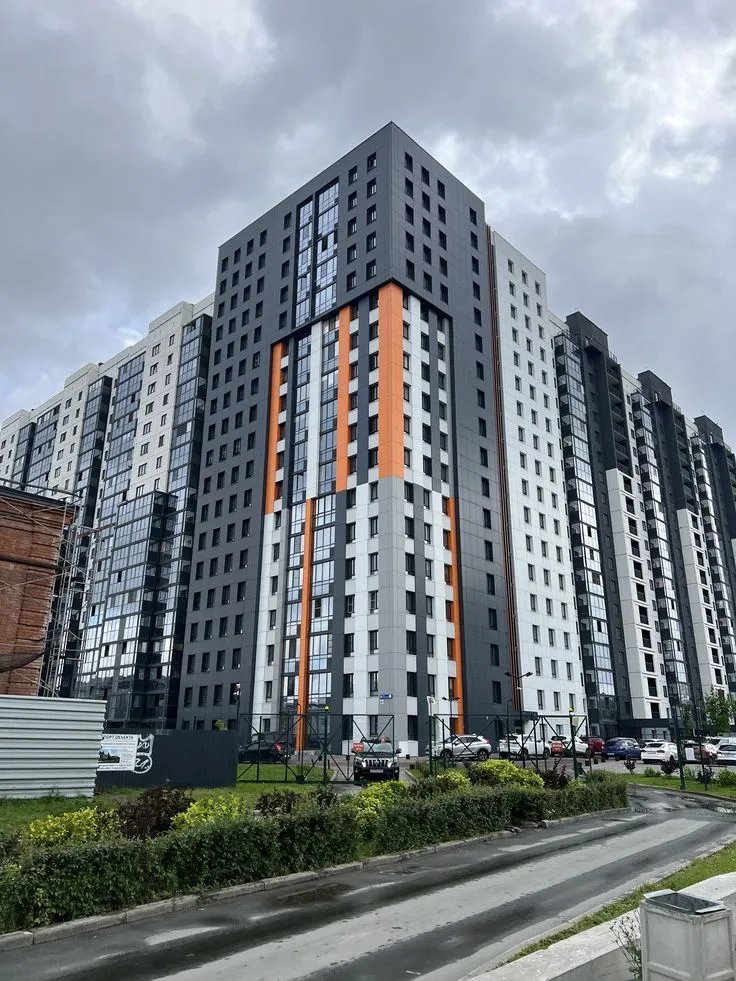
A signature takes two seconds. The consequences can last twenty years. Before you sign the Sale and Purchase Agreement for Chencharu Central Residences sit down with a lawyer and ask real questions. Not polite ones. Useful ones. This guide gives you a starting list. Bring a notebook, too.
Lawyers are busy, and contracts are dull. Many buyers nod along because the words sound official. Don’t. You are paying for answers, so use them. Write your questions down beforehand, ask them in plain language, and ask again if the reply sounds like fog. Nobody gets a medal for staying quiet.
Read the Fine Print First
Ask your lawyer to walk through the agreement clause by clause. Which parts are standard, and which are unusual? For Fablewoode Residences or any new project, the contract often follows a set form, but you can still ask what each clause means for you. Mark anything that confuses you. Highlighters help.
Then ask the big one. What can go wrong for me? A good lawyer will name the top three risks in minutes. Ask about clauses that favour the seller, such as broad rights to change plans. Get answers in writing, even a short email. Memory fades, but emails stay.
Payment Schedule and Cash Needs
Money questions come first for most people. Ask how payments are staged and when each one falls due. Is it tied to building progress? Which payments need cash, and which can come from savings or a loan? Write the dates on a calendar. A missed one can cost you.
Check the loan side too. Ask what happens if the bank approves less than you expected. Is there a deadline to tell the developer? Could you lose your deposit? These are not fun questions, but they beat a nasty surprise. Run the numbers with a buffer, because costs rarely shrink.
Delivery Dates and Late Penalties
Every new home has a promised completion date. Ask exactly what it is and how it is defined. Does it mean the building is finished, or that you can move in? Ask what counts as a valid delay, like bad weather. Know the difference between a real reason and an excuse.
Next, ask about compensation. If the developer runs late, are you owed anything? How is it calculated, and how do you claim it? Rent for a temporary place adds up quickly, so plan for a gap. Ask your lawyer if similar projects have run late before. Experience helps.
Defects After You Move In
Nothing is perfect on day one. Ask how long the defect period lasts and what it covers. Walls, tiles, doors, plumbing, wiring? Ask who you report problems to and how fast they must respond. A clear process saves arguments later. Vague promises turn into long email chains. Keep every record.
Ask what you can do before collecting keys. Can you inspect the unit first? What happens to issues found then? Photos help, so take plenty and date them. Ask whether you can withhold any payment while repairs wait, or whether the contract forbids it. The answer might surprise you.
Fees, Taxes and Hidden Costs
Ask for a full list of costs beyond the price. Legal fees, stamp duty, registration, bank charges, insurance, and furniture. Which are due now and which later? Ask your lawyer to give figures, even rough ones. Totals feel very different once every small item sits on one page. Try it.
Also ask about ongoing charges. Maintenance fees, sinking fund contributions, and property tax come after you move in. Ask roughly what residents pay each month in similar projects. A low price with high monthly costs may not be a bargain. Do the sum for five years, not one month.
What Happens If Plans Change
Life moves. Jobs change, families grow, loans fall through. Ask what happens if you cannot complete the purchase. What is forfeited? Can you sell your rights before the building is ready? Are there fees or rules about that? Better to learn these things now, while you can still walk away calmly.
Ask about co-owners, too. If two names go on the title, what happens if one person wants out? Ask how ownership is held and why it matters later. Ask about wills and inheritance. Nobody likes this talk. Yet a ten minute chat now can spare a family years of stress.
Conclusion
A good lawyer does not just read the contract. They help you see it. Come with questions on payments, delays, defects, costs, and exits. Whether your pick is Central Residences or another project, the list barely changes. Ask early, ask clearly, and keep notes. Simple habits.
Buying a home is exciting, and excitement can rush people. Slow down at this step. If Residences is on your shortlist, treat the agreement as the real product, not just the unit. Take the time, get your doubts answered, and sign only when you feel ready. Simple as that.
Key Takeaways
- Before signing the Sale and Purchase Agreement for Chencharu Central Residences, buyers should consult with a lawyer and prepare specific questions about the contract.
- Buyers should thoroughly review the agreement clause by clause with their lawyer to understand standard and unusual terms, and identify potential risks.
- It is critical for buyers to clarify the payment schedule, including when payments are due and how they are tied to building progress, to avoid financial surprises.
- Buyers must ask about the promised completion date and any penalties or compensation for delays in the project’s delivery.
- Understanding the defect period, including coverage and reporting processes, is essential for addressing any issues after moving in.
- Buyers should inquire about hidden costs, ongoing charges, and what happens if their circumstances change before the purchase is completed.