
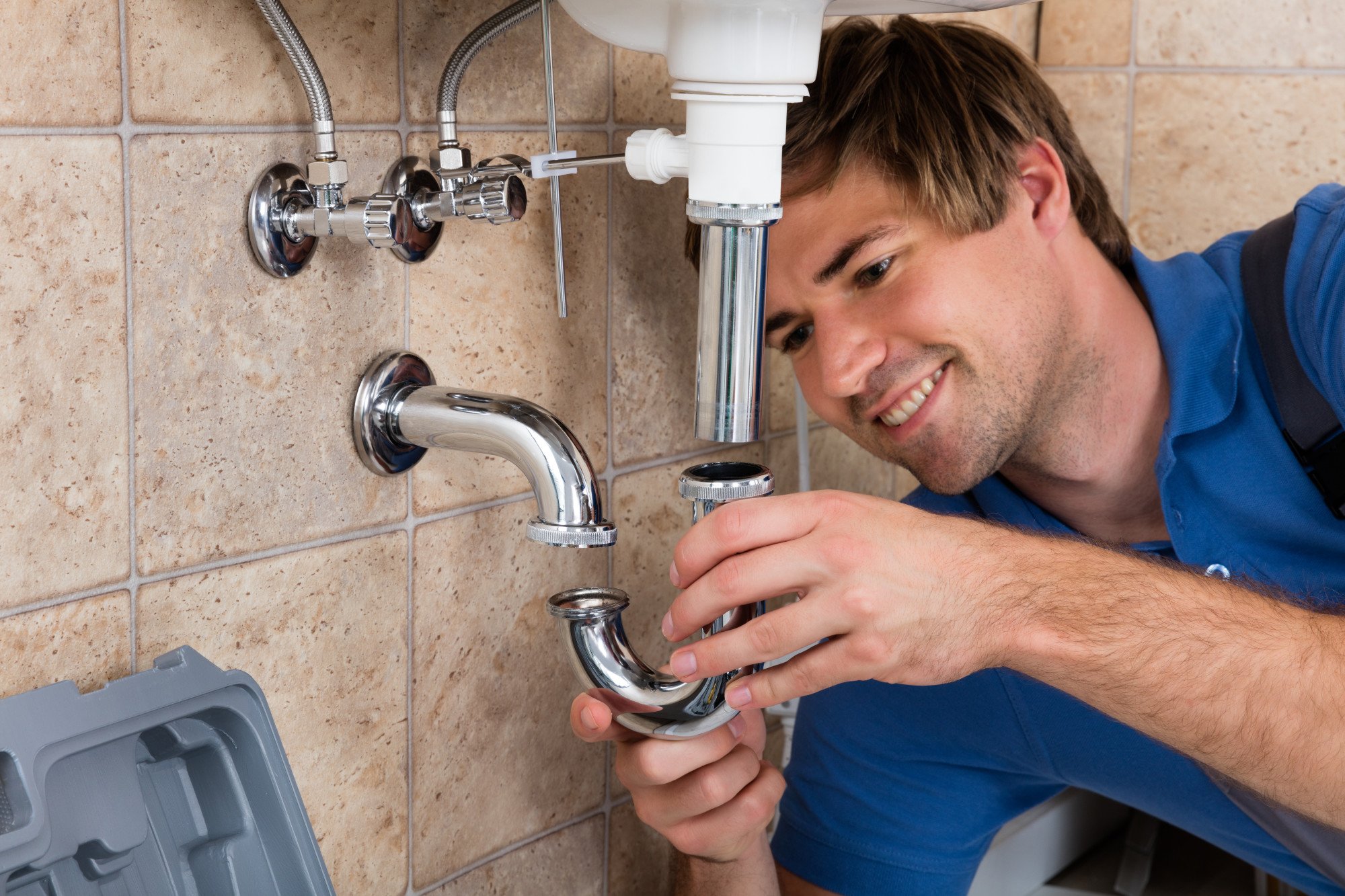
A leaking pipe at midnight, a gurgling drain that sounds like it’s about to erupt, plumbing emergencies rarely pick a convenient time. When your trusted O’Fallon plumber is booked or unavailable, panic can set in. Before you reach for the duct tape or pour chemicals down your sink, it pays to know which common fixes are safe, which mistakes to avoid, and when to admit defeat and call the pros.
Myth 1: Small Leaks Can Wait Until Your Plumber Is Available
That slow drip under the kitchen sink might look harmless, but ignoring it is one of the fastest ways to turn a manageable issue into a soaked cabinet, ruined flooring, and mold. Water finds paths you cannot see, and even minor leaks gradually undermine your home’s structure.
If you spot a steady leak and your plumber cannot come immediately, a temporary fix is better than nothing. Tightly wrap the area with plumbing tape or a rubber patch secured by hose clamps. Place a bucket beneath the leak to catch drips, and wipe away pooled water to prevent further damage. These solutions are not permanent, but they can buy you precious time.
Myth 2: Chemical Drain Cleaners Are a Quick Solution
When faced with a stubborn clog, it’s tempting to reach for a harsh chemical cleaner. The reality? These products can corrode pipes, especially older ones, and often do not resolve the underlying issue. Over time, frequent use increases the risk of pipe failure and expensive repairs.
Instead, try a plunger or a drain snake, both of which remove clogs without harming your plumbing. For minor slowdowns, a mixture of hot (not boiling) water and baking soda, followed by vinegar, can help break up organic debris. If these do not work, it is better to wait for a professional than risk damaging your drains.
Myth 3: All Plumbing Noises Mean a Serious Issue
Rattling, gurgling, banging, pipes make all sorts of sounds, but not every noise signals disaster. Air in the lines, pressure changes, or expanding and contracting metal can create odd sounds during daily use.
If the noises are persistent, getting worse, or accompanied by water pressure loss or stains, it becomes a red flag for more serious trouble, like a hidden leak or failing pipes. In these cases, take notes about when the noises occur, and share them when contacting your O’Fallon plumber. Detailed observations can help them diagnose the problem faster.
Myth 4: DIY Pipe Repairs Are Always Cheaper
YouTube makes replacing a fitting or sealing a leak look easy, but one wrong move can cause extensive water damage. Incorrect parts, overtightened connections, or missed signs of corrosion are common DIY pitfalls.
Attempting simple repairs can be worthwhile, tightening a loose faucet, replacing a worn-out washer, or unclogging a sink with a plunger. Anything involving soldering, cutting pipes, or mainline issues should be left to professionals.
Myth 5: Shutting Off Water Stops All Plumbing Damage
Turning off the water supply is smart when facing an active leak, but it is not a magic shield. Water trapped in the pipes can still escape through cracks, and residual pressure can cause weak spots to burst.
To minimize damage, after shutting off the main valve, open the lowest faucet in the house to drain any remaining water. For multi-level homes, start at the top floor and work down. This relieves pressure and reduces the risk of further leaks.
Myth 6: Hot Water Issues Are Always a Water Heater Problem
Cold showers and inconsistent temperatures often get blamed on the water heater, but several other factors could be at play. Cross-connected pipes, faulty mixing valves, or sediment buildup can all disrupt water temperature.
Before assuming the worst, check if the pilot light is on (for gas heaters), verify the thermostat setting, and look for visible leaks around the heater. If everything seems normal, the problem may lie elsewhere and a technician’s expertise is needed.
Myth 7: You Can Ignore Plumbing Maintenance Until There’s a Leak
Neglecting regular maintenance is an open invitation for emergencies. Tiny leaks, slow drains, or gurgling toilets are all early warning signs that something is amiss.
A few preventative steps can make a world of difference:
– Regularly inspect visible pipes for moisture or corrosion.
– Flush water heaters annually to prevent sediment buildup.
– Clean out faucet aerators and showerheads.
– Know where your main shutoff valve is located, and make sure it works.
Spotting issues early keeps repair costs down and can prevent major water damage.
When to Stop DIY and Call Your O’Fallon Plumber
If water is pooling rapidly, you detect a sewage smell, or you simply cannot locate the source of a problem, it is time to get help. Other red flags include persistent low water pressure, water discoloration, multiple slow drains, or any sign of electrical hazard near water.
While waiting for your plumber, clear the area, shut off water if necessary, and document what happened. This preparation gives your plumber a head start and can shorten repair time.
Plumbing emergencies rarely strike at convenient moments, but sound judgment and a steady hand can prevent bigger disasters. Whether you manage a temporary fix or simply know when to call for help, your home will thank you.