

Whether you use your fireplace for warmth or ambiance, regular chimney maintenance protects your home from fire hazards and ensures your system works efficiently. One of the most effective and accessible methods for homeowners is bottom-up chimney sweeping in San Antonio.
This approach allows you to clean your chimney from inside your home, reducing mess and improving safety. In this comprehensive guide, you’ll learn everything you need to know about how to sweep a chimney from the bottom up, including why this method is preferred, what tools you’ll need, how to prepare, and how to keep your chimney in top condition year-round.
Why Bottom-Up Sweeping
Bottom-up chimney sweeping has become increasingly popular among homeowners for several important reasons. First, it allows you to clean your chimney without having to climb onto your roof, reducing the risk of falls and injuries.
This method also helps contain soot and debris, making cleanup easier and keeping your living space cleaner. Additionally, bottom-up sweeping enables more frequent maintenance, which is crucial in our climate, where wood-burning appliances are often used during cooler months and creosote can build up quickly.
By adopting this method, you can proactively prevent chimney fires, improve fireplace efficiency, and extend the lifespan of your chimney system.
Required Tools
Before you begin, gather all the necessary tools and equipment to ensure a thorough and efficient cleaning process. Here’s what you’ll need:
- Chimney brush sized to fit your flue (poly or wire, depending on your chimney type)
- Flexible chimney rods or a rotary cleaning system for bottom-up access
- Heavy-duty vacuum or HEPA vacuum to capture soot and debris
- Drop cloths or tarps to protect your floors and furniture
- Stiff-bristled hand brush for cleaning the firebox
- Protective gear: gloves, dust mask or respirator, safety goggles, and old clothing
- Flashlight or headlamp for inspection
- Duct tape or painter’s tape to seal off the fireplace opening
- Bucket and trash bags for debris disposal
Having the right tools is crucial for both safety and effectiveness. Local hardware stores and chimney supply shops often carry these items, and some even offer rental options for specialized equipment.
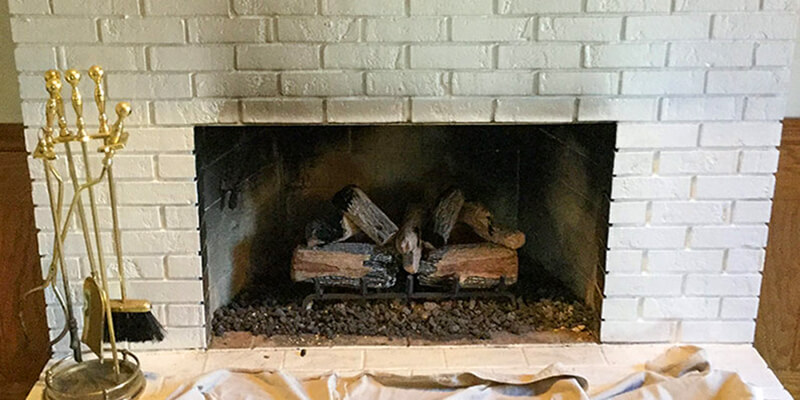
Preparation
Proper preparation is key to a successful and mess-free bottom-up chimney sweep. Follow these steps before you start:
- Wait at least 24 hours after your last fire to ensure the chimney is cool.
- Move furniture, rugs, and valuables away from the fireplace area.
- Lay down drop cloths or tarps around the hearth and nearby surfaces.
- Remove fireplace grates, logs, and any decorative items.
- Seal off the fireplace opening with plastic sheeting and tape, leaving a small access point for your rods and brush.
- Open a nearby window slightly to improve ventilation and reduce dust accumulation.
- Gather all your tools and protective gear within easy reach.
Taking the time to prepare your workspace will help minimize cleanup and keep soot from spreading throughout your home.
Step-by-Step Sweeping
Follow this detailed step-by-step process to sweep your chimney from the bottom up:
Step 1: Inspect the Chimney
- Use a flashlight to check for blockages, bird nests, or excessive creosote buildup.
- Look for signs of moisture, cracks, or structural damage.
- If you notice any major obstructions or damage, stop and consult a professional before proceeding.
Step 2: Assemble the Chimney Brush and Rods
- Attach the chimney brush securely to the first rod.
- Ensure all connections are tight to prevent the brush from detaching inside the flue.
Step 3: Insert the Brush into the Flue
- Carefully insert the brush through the fireplace opening and into the chimney.
- Gently push the brush upward, adding rods as needed to reach the entire length of the chimney.
Step 4: Scrub the Chimney Interior
- Move the brush up and down in a controlled, steady motion to dislodge soot and creosote.
- Rotate the brush as you work to clean all sides of the flue.
- Continue until you reach the top of the chimney, then slowly withdraw the brush, repeating the scrubbing motion.
Step 5: Remove Debris
- Use a vacuum or hand brush to clean up loosened soot and debris from the firebox and hearth.
- Collect all debris in a bucket or trash bag for proper disposal.
Step 6: Final Inspection
- Use your flashlight to inspect the flue and firebox for any remaining buildup or blockages.
- Clean any stubborn spots with a hand brush if needed.
- This process ensures your chimney is thoroughly cleaned from the comfort and safety of your home.
Safety Tips
Safety should always be your top priority when sweeping your chimney. Keep these important tips in mind:
- Always wear protective gear, including gloves, a dust mask, and safety goggles.
- Work slowly and carefully to avoid damaging the flue liner or chimney structure.
- Never sweep a chimney that is still hot or has smoldering embers.
- Keep a fire extinguisher nearby in case of emergencies.
- If you encounter unexpected blockages, animal nests, or structural issues, stop and contact a certified professional.
- Make sure your workspace is well-ventilated to avoid inhaling dust and fumes.
Cleaning Up
Once you’ve finished sweeping, it’s time to clean up:
- Carefully remove the drop cloths or tarps, folding them inward to trap soot.
- Vacuum or sweep the area around the fireplace.
- Dispose of all debris and used cleaning materials in sealed trash bags.
- Wipe down surfaces with a damp cloth to remove any lingering dust.
- Wash your protective gear and clothing separately from other laundry.
A thorough cleanup ensures your home remains safe and comfortable after the job is done.
Local Regulations
San Antonio has specific guidelines and best practices for chimney maintenance and debris disposal:
- Chimney cleaning should be performed at least once a year or more frequently if you use your fireplace regularly.
- Dispose of chimney debris according to local waste management rules; avoid dumping ashes or soot outdoors.
- Some neighborhoods may require notification or permits for chimney work—check with your local municipality if unsure.
- If you live in a multi-unit building, coordinate with property management to ensure compliance with building codes.
Following local regulations helps protect your home and community while avoiding fines or safety risks.
Maintenance
Regular maintenance is essential for a safe and efficient chimney:
- Schedule annual inspections by a certified professional, even if you perform DIY sweeping.
- Burn only seasoned hardwood to minimize creosote buildup.
- Install a chimney cap to prevent debris, animals, and rain from entering the flue.
- Check for signs of moisture, rust, or damage after heavy storms.
- Keep the area around your fireplace clear of flammable materials.
Consistent maintenance extends your chimney’s lifespan and reduces the risk of costly repairs.
Troubleshooting
Even with regular care, you may encounter issues. Here’s how to handle some common problems:
Poor Draft:
Check for obstructions, closed dampers, or negative air pressure in your home.
Persistent Odors:
Clean the firebox thoroughly and ensure the flue is free of soot and debris.
Smoke Backdraft:
Make sure the damper is open and the chimney is not blocked; consider installing a draft inducer if needed.
Visible Cracks or Damage:
Stop using your fireplace and schedule a professional inspection immediately.
Addressing issues promptly helps maintain a safe and comfortable home environment.
When to Call a Pro
While bottom-up sweeping is effective for routine maintenance, there are times when professional help is essential:
- You discover structural damage, large blockages, or animal nests during inspection.
- Your chimney hasn’t been cleaned in several years or is heavily soiled.
- You’re unsure about any step of the process or lack the proper tools.
- You notice persistent performance issues, such as smoke backdraft or poor draft.
There are many reputable, certified chimney sweep companies that offer inspections, repairs, and advanced cleaning services for complex situations.
Conclusion
Sweeping your chimney from the bottom up is a practical, safe, and effective way to maintain your home’s safety and comfort. With the right tools, preparation, and attention to detail, you can tackle routine chimney maintenance confidently.
Remember to prioritize safety, follow local regulations, and don’t hesitate to call a professional for complex issues or annual inspections. By making chimney care a regular part of your home maintenance routine, you’ll enjoy a warm, worry-free fireplace season after season.