
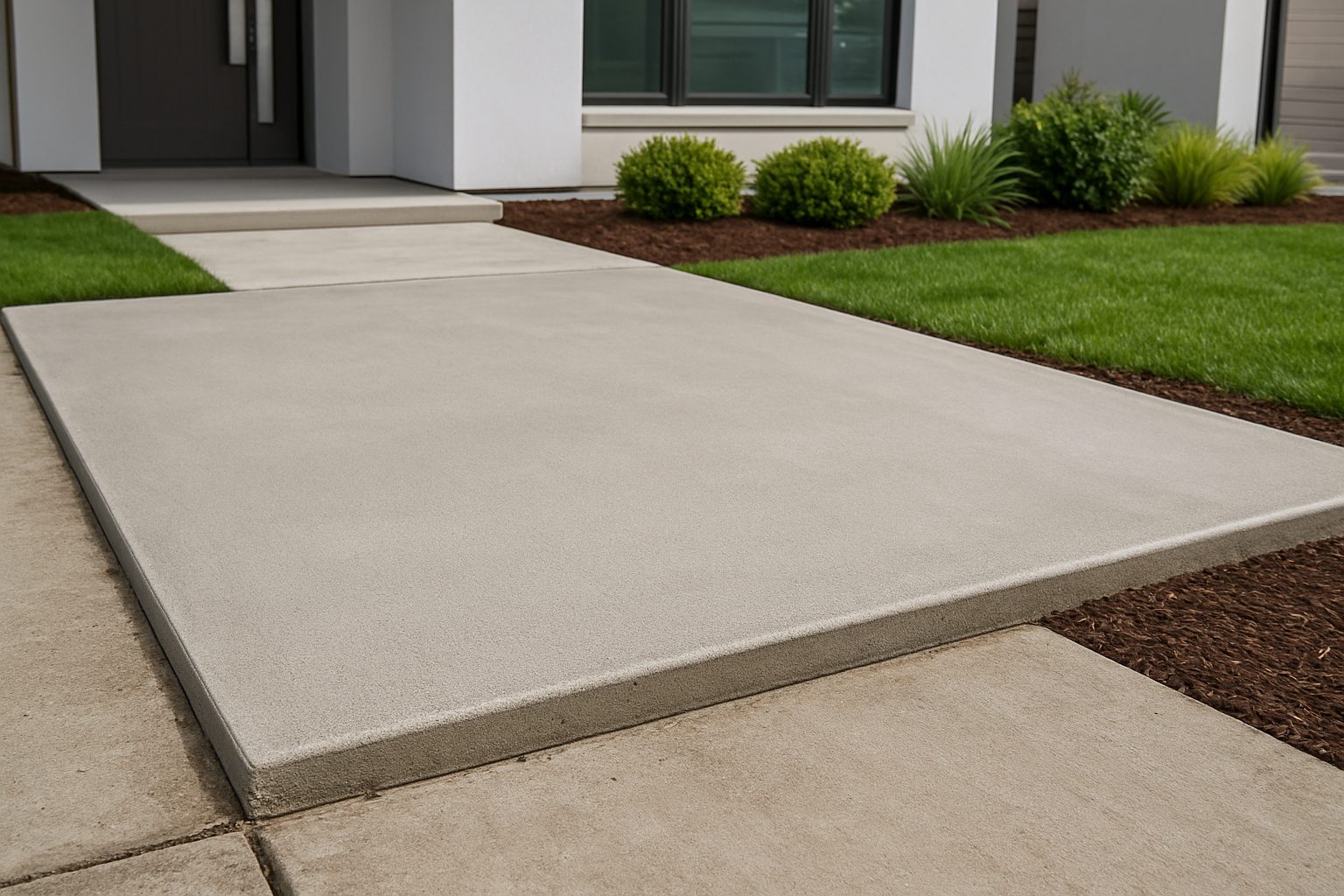
How can property owners recognize quality concrete repair and make informed maintenance decisions? Concrete surfaces are exposed to changing temperatures, moisture, physical use, and natural movement throughout their service life. These factors can gradually produce defects that require professional attention. For anyone researching concrete repair Winnipeg services, understanding the signs of deterioration, the importance of diagnosis, and the principles of dependable workmanship can make it easier to protect concrete surfaces and maintain property functionality.
What’s Covered
- Why is concrete considered durable but still vulnerable?
- What types of concrete damage are most common?
- How can a professional distinguish between minor and serious damage?
- Why is timely repair important?
- What should happen before a repair material is applied?
- Can different concrete surfaces require different repair approaches?
- What is the importance of curing after concrete repair?
- How can drainage protect concrete surfaces?
- What should be understood about concrete joints?
- Does professional repair improve property appearance?
- How should repaired concrete be monitored afterward?
- What qualities define dependable concrete repair workmanship?
- How can property owners reduce future concrete problems?
- Why is professional concrete repair a long-term property consideration?
Why is concrete considered durable but still vulnerable?
Concrete is valued for its strength and versatility, but its performance depends on installation quality, environmental exposure, maintenance, and surrounding conditions. Winnipeg’s climate presents particular challenges because concrete may experience substantial seasonal temperature changes.
Water can enter small pores and openings within concrete. When temperatures fall below freezing, that moisture can expand and place pressure on the material. Repeated cycles can contribute to surface deterioration and cracking.
Other factors may include soil movement, improper drainage, heavy traffic, impact, chemical exposure, aging, and defects from earlier construction. Recognizing these influences helps explain why even established concrete surfaces eventually require inspection or repair.
What types of concrete damage are most common?
Cracking is one of the most recognizable forms of deterioration. Cracks can result from shrinkage, temperature changes, settlement, movement, moisture exposure, or other stresses. Their appearance and behavior can provide clues about the underlying issue.
Surface scaling occurs when the upper layer of concrete deteriorates or flakes. Spalling involves the breaking or separation of concrete from the surface and can sometimes expose reinforcement in affected structural elements.
Settlement can produce uneven slabs, while damaged joints can allow water to enter vulnerable areas. Each condition requires a different evaluation. Treating every defect as a simple surface crack can overlook important information.
How can a professional distinguish between minor and serious damage?
A professional considers several characteristics rather than relying on appearance alone. Crack location, direction, depth, progression, surrounding surface condition, and signs of movement can help determine the nature of a defect.
The professional may also inspect drainage and soil conditions because the surrounding environment can influence concrete stability. A surface that looks relatively intact may still have underlying concerns, while a visibly cracked surface may sometimes be suitable for localized restoration.
This evaluation helps determine whether repair, resurfacing, stabilization, or replacement is more appropriate. Accurate diagnosis is therefore one of the foundations of effective concrete maintenance.
Why is timely repair important?
Concrete defects rarely improve simply through neglect. Moisture can enter openings, weather can enlarge surface damage, and everyday use can place additional stress on weakened areas.
Timely assessment allows property owners to understand the problem while it may still be manageable. Early intervention can also make it easier to coordinate related maintenance, such as drainage improvements or joint repairs.
Prompt attention does not mean every crack requires immediate major work. Instead, it means changes should be evaluated rather than ignored, particularly when damage is growing or affecting the way a surface is used.
What should happen before a repair material is applied?
Preparation should be treated as a central part of the repair process. Loose, weak, dirty, or contaminated material can prevent proper adhesion. Professionals generally prepare the affected area so that the repair material can bond with a sound substrate.
The preparation method depends on the condition of the concrete. Some repairs may require cleaning and localized removal, while others may require more extensive preparation to reach stable material.
Proper preparation also helps reveal the true boundaries of the damaged area. This is important because visible deterioration does not always represent the full extent of the problem.
Can different concrete surfaces require different repair approaches?
Yes. Concrete is used in many applications, and each has different performance requirements. A residential walkway may face pedestrian traffic and weather exposure, while a commercial surface may experience vehicles, equipment, or repeated loading.
Driveways, patios, steps, parking areas, slabs, and other concrete features can also have different drainage and movement characteristics. The repair method should therefore reflect the purpose and environment of the surface.
A professional evaluation considers how the concrete is used and what conditions it must withstand. This helps ensure that the restoration approach is appropriate rather than generic.
What is the importance of curing after concrete repair?
Curing gives repair materials time to develop their intended properties. Conditions during this stage can influence strength, adhesion, durability, and overall performance.
Temperature, moisture, airflow, and exposure can all affect curing. A professional follows the requirements associated with the selected repair system and considers the surrounding environment.
Allowing repaired areas to cure properly is therefore just as important as preparing and applying the material. Premature traffic or exposure to unsuitable conditions can interfere with the development of the repair.
How can drainage protect concrete surfaces?
Effective drainage reduces the opportunity for water to collect around or beneath concrete. Standing water can increase moisture exposure and may contribute to soil movement, cracking, and deterioration.
Property owners should observe where water travels during and after precipitation. Downspouts, landscaping, grading, joints, and surrounding surfaces can all influence drainage.
If water repeatedly reaches the same damaged area, the concrete repair should be considered alongside the drainage condition. Addressing both can create a more complete maintenance strategy.
What should be understood about concrete joints?
Joints are intentionally incorporated into concrete to help manage movement and reduce uncontrolled cracking. Their condition can therefore have a direct influence on the performance of surrounding surfaces.
Damaged or deteriorated joint material can allow moisture to reach areas that should remain protected. Joints should be inspected as part of a broader concrete assessment rather than treated as unrelated features.
Maintaining functional joints can help concrete accommodate expected movement while limiting opportunities for water intrusion. Professional evaluation is useful when joints have become damaged, separated, or otherwise ineffective.
Does professional repair improve property appearance?
Well-executed concrete restoration can improve both function and appearance. Cracks, damaged edges, discoloration, and deteriorated surfaces can make otherwise well-maintained properties appear neglected.
However, appearance should not be the only measure of success. A repair should also address the condition of the underlying material and the factors contributing to deterioration.
A professional approach balances visual improvement with practical performance. This is particularly important for areas that receive regular foot traffic, vehicles, or exposure to changing weather.
How should repaired concrete be monitored afterward?
Post-repair observation helps identify how the restored area is performing. Property owners can look for renewed cracking, changes in surface texture, standing water, edge deterioration, or other unusual changes.
Monitoring does not require complicated procedures. Regular visual checks during routine property maintenance can provide useful information. New or worsening defects should be assessed rather than covered with temporary treatments.
Professional maintenance recommendations may also include guidance about cleaning, traffic, moisture management, and seasonal care. Following those recommendations can support the condition of the restored surface.
What qualities define dependable concrete repair workmanship?
Quality workmanship begins with understanding the concrete rather than immediately applying a repair product. A dependable process includes inspection, diagnosis, preparation, appropriate material selection, controlled application, curing, and follow-up care.
Attention to detail is especially important around cracks, edges, joints, drainage points, and transitions between different surfaces. Small preparation errors can affect the performance of the finished repair.
Communication is another important quality indicator. Property owners should receive clear explanations of the observed problem and the recommended restoration strategy. Professional services should also acknowledge the environmental factors that can influence concrete performance.
How can property owners reduce future concrete problems?
Prevention starts with awareness. Keeping drainage systems functional, preventing unnecessary standing water, monitoring cracks, maintaining joints, and addressing developing defects can all contribute to better concrete care.
Property owners should also consider how surfaces are used. Excessive loading, impact, improper snow or ice management practices, and neglected drainage can place additional stress on concrete.
Seasonal inspections are useful in regions where weather changes significantly. Checking concrete after demanding winter conditions can help identify problems before they become more extensive.
Why is professional concrete repair a long-term property consideration?
Concrete contributes to accessibility, safety, visual presentation, and everyday usability. When deterioration is managed responsibly, property owners can preserve these functions and reduce the disruption associated with neglected surfaces.
Professional repair is most effective when it goes beyond treating visible symptoms. By identifying causes, preparing surfaces correctly, selecting suitable techniques, and considering local environmental conditions, restoration can provide a more thoughtful response to concrete deterioration.
For Winnipeg properties, reliable concrete maintenance is an ongoing process rather than a one-time task. Regular observation, timely professional assessment, appropriate repairs, and sensible maintenance can work together to keep concrete surfaces functional and presentable through changing seasons. A carefully planned restoration strategy ultimately gives property owners greater confidence that concrete concerns are being addressed with attention to durability, workmanship, and long-term performance.
Key Takeaways
- Concrete is durable but vulnerable due to environmental factors, installation quality, and maintenance practices.
- Common types of concrete damage include cracking, surface scaling, spalling, and settlement, each requiring specific evaluation.
- A professional evaluates crack characteristics such as location and depth, along with soil conditions, to determine the appropriate repair approach.
- Timely repair of concrete defects is crucial as neglect can worsen the damage and complicate maintenance efforts.
- Proper preparation of the affected area is essential before applying repair materials to ensure adequate adhesion and reveal the full extent of damage.
- Different types of concrete surfaces, such as walkways and commercial surfaces, require tailored repair approaches based on their specific performance requirements.