
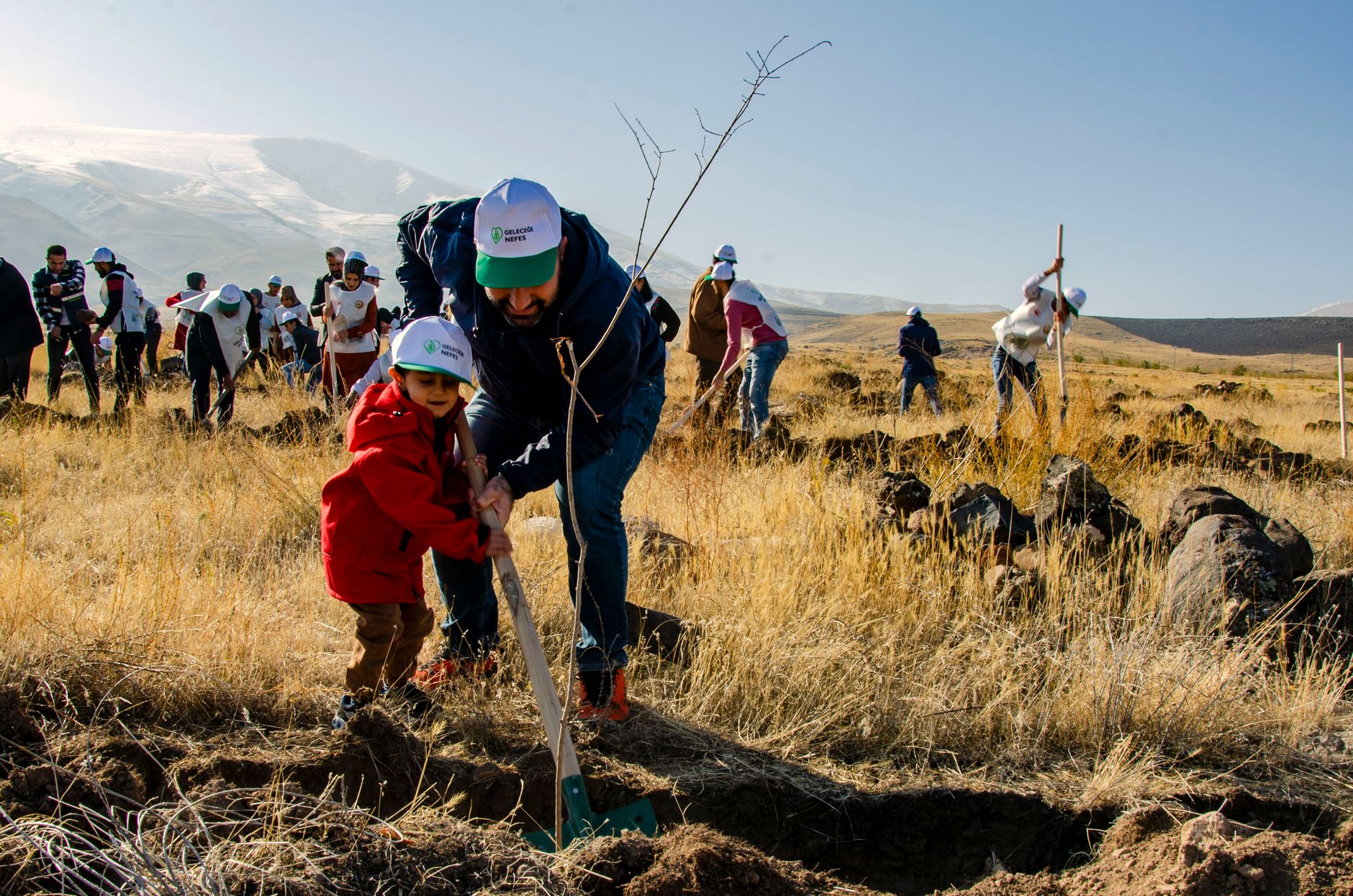
Tree conservation initiatives are becoming essential for community well-being. In Thane, residents are launching creative strategies to protect and nurture local greenery, showcasing their commitment to the environment.
Understanding Tree Conservation
Tree conservation is an essential aspect of environmental sustainability, particularly in urban areas where green spaces are increasingly threatened. The recent efforts by Thane residents highlight the significance of community involvement in such initiatives. Understanding tree conservation involves recognizing the myriad benefits trees provide, including air purification, temperature regulation, and habitat for wildlife.
One of the critical components of tree conservation initiatives is education. Local communities are encouraged to participate in workshops and seminars that emphasize the importance of trees and the various methods to protect them. Such programs often focus on:
- Community Planting Drives: Organizing events where residents can plant native tree species helps restore local ecosystems.
- Tree Maintenance Workshops: Teaching residents how to care for trees, including proper pruning techniques and pest management.
- Awareness Campaigns: Spreading the word about the ecological and social benefits of trees through social media and local events.
Moreover, collaboration with local governments and environmental organizations can amplify these efforts, ensuring that tree conservation initiatives are sustainable and impactful. By fostering a sense of stewardship among community members, these initiatives not only enhance the urban landscape but also contribute to a healthier environment for future generations.
The Importance of Trees in Urban Areas
Trees play a crucial role in enhancing the quality of urban environments, making tree conservation initiatives essential for sustainable city living. Urban areas often face challenges such as air pollution and heat island effects, where concrete and asphalt absorb and retain heat. Trees provide a natural solution by offering shade, reducing temperatures, and improving air quality.
Furthermore, trees contribute to the aesthetic value of cities, creating green spaces that promote mental well-being and community interaction. Residents who live near green areas report lower stress levels and improved overall health. In addition, trees act as natural habitats for various wildlife, supporting biodiversity even in densely populated areas.
Another significant benefit of trees is their ability to manage stormwater. By absorbing rainwater and reducing runoff, trees help to prevent flooding and erosion. This is particularly important in urban settings, where impervious surfaces can lead to severe water management issues.
To maximize these benefits, local governments and communities must invest in tree conservation initiatives. These efforts can include planting more trees, protecting existing ones, and educating the public about their importance. Involving residents in these programs not only fosters a sense of ownership but also strengthens community bonds, ultimately leading to healthier and more sustainable urban ecosystems.
Innovative Ideas for Tree Preservation
As communities increasingly recognize the significance of trees, innovative ideas for tree preservation are emerging across various regions. In Thane, residents have spearheaded several creative tree conservation initiatives that not only protect existing trees but also promote awareness and engagement within the community.
One popular approach is the adoption of tree guardians, where individuals or families take responsibility for specific trees in their neighborhood. This initiative encourages volunteers to monitor the health of their assigned trees, ensuring they are watered, pruned, and free from pests.
Additionally, schools are integrating tree conservation into their curriculum by organizing planting drives and educational workshops. Students learn about the ecological benefits of trees and their role in combating climate change, fostering a sense of stewardship from a young age.
Community art projects, such as tree murals and sculptures, serve to beautify public spaces while raising awareness about the importance of tree conservation initiatives. These artistic expressions not only highlight the beauty of trees but also educate the public on the urgent need for preserving these vital resources.
Through these inventive strategies, residents of Thane are demonstrating that local efforts can significantly contribute to the broader goals of tree conservation, encouraging others to adopt similar practices and foster a deeper connection with nature.
How Thane Residents Are Making a Difference
In Thane, residents are taking proactive steps to support tree conservation initiatives, showcasing their commitment to preserving the environment. Community members have come together to launch various creative projects aimed at enhancing local greenery and promoting awareness about the importance of trees.
One notable initiative involves organizing weekly tree planting drives, where families and volunteers gather to plant saplings in public parks and along roadways. These events not only increase the number of trees in the area but also foster a sense of community and environmental stewardship among participants.
Additionally, local schools have integrated tree conservation into their curricula, encouraging students to engage in activities such as:
- Creating informative posters that highlight the benefits of tree preservation.
- Participating in workshops that educate families on the importance of biodiversity.
- Organizing nature walks to help young people connect with their surroundings.
Moreover, Thane’s residents have established a social media campaign that shares success stories and tips for sustainable practices, inspiring others to join their efforts. Through these collaborative actions, the community is making significant strides in tree conservation initiatives, proving that collective action can lead to a greener, healthier environment for all.
Benefits of Community Involvement
Community involvement in tree conservation initiatives offers numerous benefits that extend beyond environmental protection. One significant advantage is the strengthening of social bonds among residents. When individuals come together to participate in tree planting and maintenance activities, they foster a sense of camaraderie and shared responsibility for their local environment.
Moreover, engaging the community can lead to increased awareness about the importance of trees and the role they play in urban ecosystems. Educational workshops and hands-on activities allow residents to learn about tree care, biodiversity, and sustainable practices, empowering them to take action in their neighborhoods. This knowledge can inspire more people to advocate for tree conservation initiatives, creating a ripple effect of environmental stewardship.
In addition to educational benefits, community-driven efforts often result in improved public spaces. Well-maintained trees enhance the aesthetic appeal of neighborhoods, making them more inviting for residents and visitors alike. Green spaces contribute to mental well-being by providing areas for recreation and relaxation.
Furthermore, community involvement can lead to increased funding and support for tree conservation projects. When local residents show enthusiasm and commitment, it attracts attention from local governments, NGOs, and businesses, which may provide resources and assistance to sustain these initiatives.
Ultimately, the collaborative spirit of a community can significantly impact the success of tree conservation initiatives, ensuring that efforts to protect and preserve urban greenery thrive.
Future of Tree Conservation Efforts
The future of tree conservation efforts looks promising as communities worldwide embrace innovative strategies to protect and enhance their green spaces. With a growing awareness of the environmental challenges posed by urbanization and climate change, these initiatives focus on sustainability and community engagement.
One significant trend is the integration of technology in tree conservation initiatives. Using mobile applications, residents can report tree health issues, track growth patterns, and even participate in virtual tree planting events. This technological engagement fosters a sense of responsibility among community members.
Moreover, educational programs in schools are cultivating a new generation of environmental stewards. Children learn about the importance of trees, biodiversity, and sustainable practices, empowering them to take part in local conservation efforts. Workshops and tree care training sessions are also becoming commonplace, equipping volunteers with the skills needed to care for urban forests.
Another promising direction is the collaboration between local governments, non-profits, and businesses. These partnerships can lead to funding for tree planting projects, maintenance of green spaces, and community outreach programs. Such cooperative efforts ensure that tree conservation initiatives are well-supported and can thrive over the long term.
As communities unite to promote tree conservation, the collective impact can lead to healthier urban ecosystems and a greener future for generations to come.
Photo by muhammed diler on Pexels