
A swimming pool provides a comfortable space for relaxation, exercise, and entertainment, but maintaining it requires attention to its water level, plumbing, and structural condition. When water begins disappearing faster than expected, the problem may be more than normal evaporation or regular pool use. Hidden leaks can develop in pool surfaces, underground pipes, fittings, and circulation systems, making them difficult to identify without proper inspection. Professional pool leak detection services help locate the source of water loss and allow property owners to take appropriate steps to protect their pools and surrounding areas.
Understanding Common Pool Leak Problems
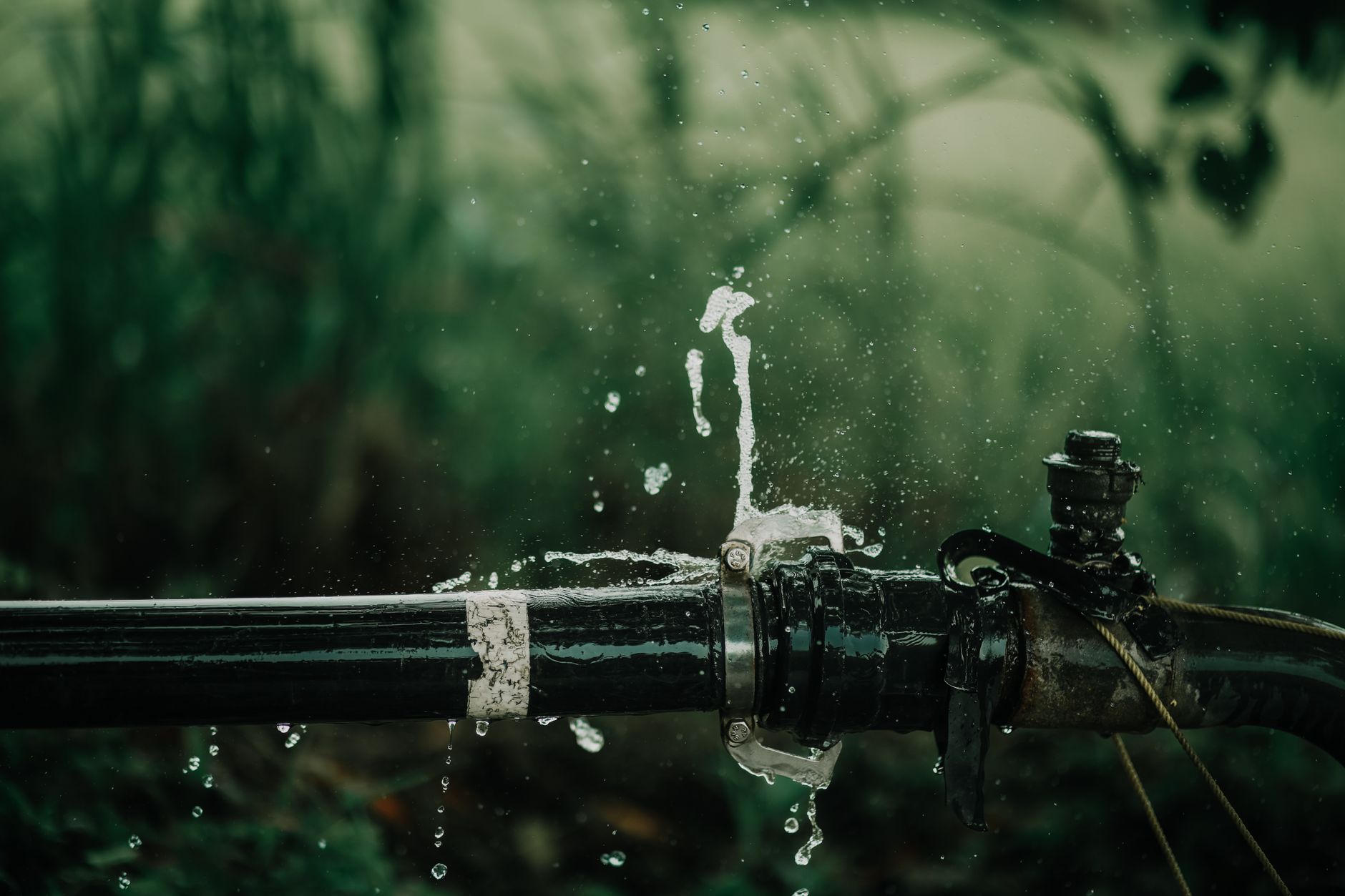
Swimming pool leaks can occur in several locations, depending on the pool’s construction, age, and equipment condition. Small cracks, damaged seals, loose fittings, and deteriorating plumbing connections may allow water to escape gradually.
Some leaks are visible around the pool structure, while others remain hidden beneath the ground or behind connected equipment. Because water can travel through surrounding materials, the location of visible moisture may not always indicate the actual source of the problem.
Identifying the precise cause is important for selecting an effective repair solution.
Signs Your Swimming Pool May Have a Leak
Recognizing early warning signs can help pool owners address problems before they become more serious. Although water loss can occur naturally through evaporation, unusual changes may indicate leakage.
Common signs include:
Water levels dropping more quickly than expected.
Persistently wet areas around the swimming pool.
Cracks appearing in the pool surface.
Unusually high water consumption.
Air entering the pool circulation system.
Changes in water pressure or filtration performance.
Soil erosion or sinking areas near the pool.
Monitoring these conditions regularly can help owners recognize potential problems and arrange an inspection when necessary.
Professional Pool Leak Detection Methods
Finding a hidden leak requires a systematic approach. Professional technicians may use specialized equipment to examine different parts of the swimming pool and identify possible sources of water loss.
Common detection methods include pressure testing, acoustic listening equipment, dye testing, and visual inspections.
Pressure testing helps evaluate plumbing lines by identifying pressure changes that may indicate leakage. Acoustic equipment can help locate sounds associated with escaping water. Dye testing may be used around suspected cracks, fittings, and other areas to observe water movement.
The appropriate method depends on the pool’s design, plumbing arrangement, and suspected leak location.
Inspecting Pool Plumbing and Equipment
The plumbing system plays an important role in maintaining proper water circulation. Pipes, pumps, filters, drains, and return lines must function correctly to support normal pool operation.
Leaks within underground plumbing can be particularly difficult to identify because the affected sections are not directly visible. Specialized testing can help narrow down the location without unnecessary excavation.
Equipment connections should also be examined because worn seals, loose fittings, and damaged components may contribute to water loss.
A detailed inspection helps determine whether the problem involves the pool structure, plumbing system, or connected equipment.
Benefits of Early Leak Detection
Addressing pool leaks promptly can provide several advantages. First, it helps reduce unnecessary water consumption and prevent rising utility expenses.
Second, early detection can protect surrounding landscaping, patios, foundations, and other structures from prolonged moisture exposure. Continued leakage may also affect soil stability and create additional maintenance concerns.
Finding the source of a leak can help property owners avoid unnecessary repairs by focusing attention on the affected area.
Regular pool inspections can also support better equipment performance and help maintain a comfortable swimming environment.
Choosing the Right Leak Detection Service
Selecting a professional service requires considering experience, inspection techniques, equipment, and communication. Property owners should understand how the inspection will be conducted and what information will be provided afterward.
It is helpful to ask whether the service can examine both the pool structure and connected plumbing system. A clear explanation of the findings and recommended repairs makes it easier to plan the next steps.
Reliable communication also helps ensure that property owners understand the condition of their pools and the available solutions.
Conclusion
Hidden swimming pool leaks can lead to water waste, increased expenses, and damage to surrounding property if they remain untreated. Professional detection methods help identify leakage sources and provide a clearer understanding of the repairs required. By monitoring water levels, recognizing warning signs, and arranging timely inspections, pool owners can maintain their swimming facilities, protect their investments, and enjoy a properly functioning pool for years to come.
Key Takeaways
- Swimming pools can experience leaks from cracks, damaged seals, and deteriorating plumbing connections.
- Common signs of a pool leak include rapidly dropping water levels, wet areas around the pool, and cracks in the pool surface.
- Professional leak detection methods may include pressure testing, acoustic listening, dye testing, and visual inspection.
- Addressing pool leaks promptly can reduce water consumption and prevent damage to landscaping and structures nearby.
- Selecting a professional leak detection service should involve considering their experience, inspection methods, and communication practices.
- Regular inspections can help maintain a swimming pool’s condition and improve equipment performance.