
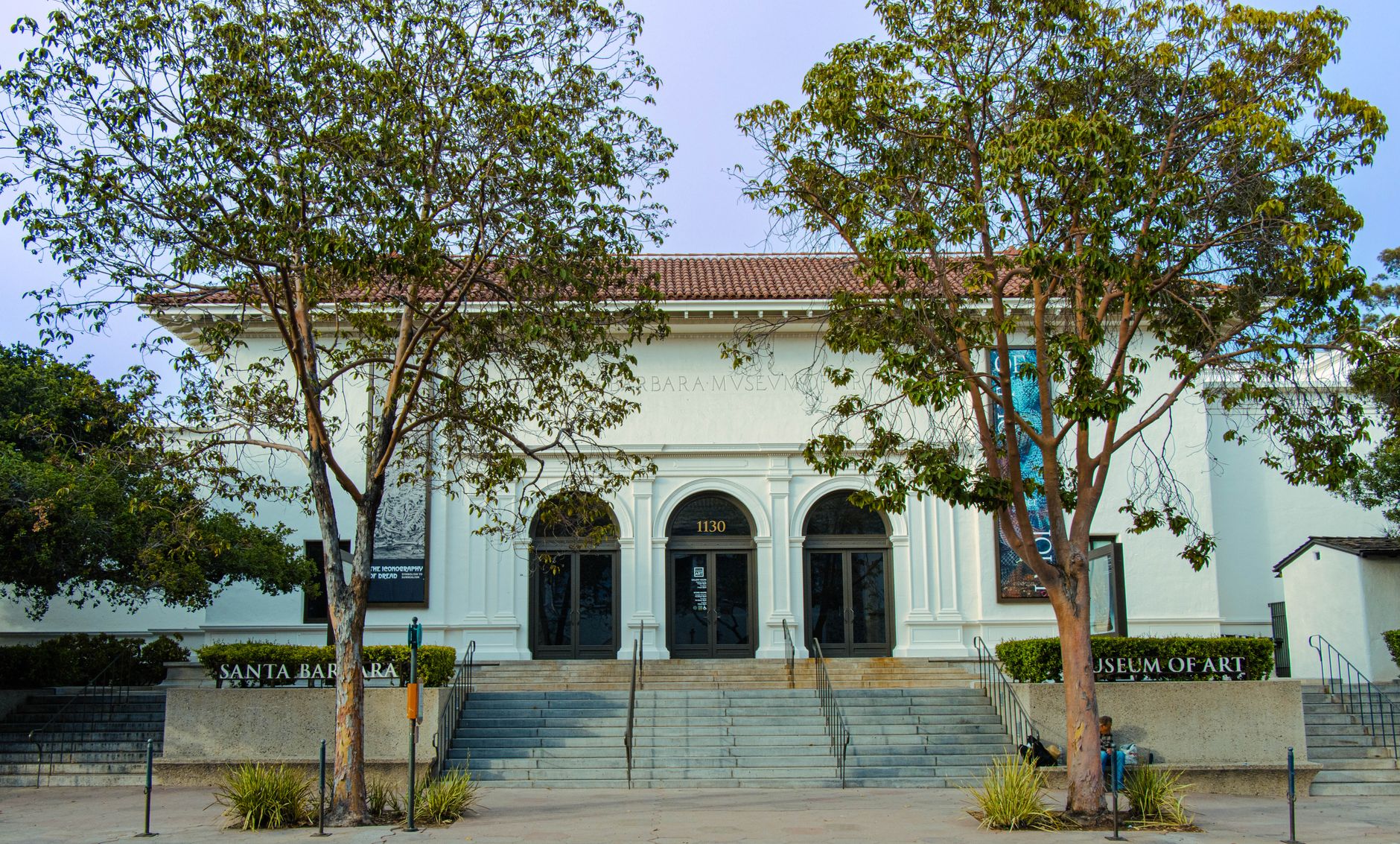
Santa Barbara rent freeze is set to continue, providing essential relief for tenants as the city approaches a potential referendum on housing policies.
Overview of the Rent Freeze
The city of Santa Barbara is set to implement a rent freeze, providing significant relief for tenants facing rising housing costs. This decision comes amid ongoing discussions about housing stability and affordability, particularly as residents grapple with economic challenges. With the current rent freeze extending through the end of the year, many tenants can expect a reprieve from potential rent increases.
The primary aim of the Santa Barbara rent freeze is to protect low- and middle-income families who may be struggling to keep up with current market rates. By preventing landlords from raising rents during this period, the city hopes to foster a sense of security for its residents.
Key benefits of the rent freeze include:
- Stability: Tenants can plan their finances without the fear of unexpected rent hikes.
- Community support: The measure encourages a stable community by retaining long-term residents.
- Potential for growth: With more disposable income, tenants can invest in local businesses and services.
This initiative is a crucial step toward long-term housing solutions for the community.
Impact on Local Tenants
The Santa Barbara rent freeze is poised to have a significant impact on local tenants, offering them much-needed relief in a challenging housing market. With rising costs of living and inflation affecting many households, the extension of the rent freeze provides a safeguard against sudden rent increases.
Tenants can expect several clear benefits as a result of this policy:
- Financial Stability: By preventing landlords from raising rents, tenants can better manage their monthly budgets without the stress of unexpected expenses.
- Community Retention: A stable rental environment encourages long-term residents to stay, fostering a sense of community and stability in neighborhoods.
- Increased Negotiation Power: With a rent freeze in place, tenants may feel more empowered to negotiate lease terms and address maintenance issues with landlords.
- Protection for Vulnerable Populations: The rent freeze particularly benefits low-income families, seniors, and other vulnerable groups who are disproportionately affected by housing instability.
Overall, the Santa Barbara rent freeze represents a proactive measure to support tenants during uncertain economic times.
Potential Referendum Details
As Santa Barbara prepares for a potential referendum regarding the rent freeze, several details have emerged that could significantly affect local tenants. The primary aim of the referendum is to solidify the temporary rent freeze into a permanent measure, providing stability and security for renters in the area.
The proposed referendum will likely address the following key points:
- Duration of the Rent Freeze: The new regulations may extend the rent freeze beyond its current timeline, ensuring that tenants can remain in their homes without fear of sudden increases.
- Eligibility Criteria: The referendum might include specific criteria to qualify for the freeze, aiming to protect the most vulnerable populations in Santa Barbara.
- Enforcement Measures: Local authorities will discuss mechanisms to enforce the rent freeze, ensuring compliance among landlords and safeguarding tenant rights.
Ultimately, the Santa Barbara rent freeze could lead to long-term benefits for tenants, promoting a more equitable housing market.
City Council’s Decision
The Santa Barbara City Council has officially decided to extend the Santa Barbara rent freeze, a move that is expected to provide significant relief for local tenants facing rising housing costs. This decision comes in response to ongoing concerns about affordability and housing stability in the community.
During the recent council meeting, members expressed their commitment to protecting tenants’ rights and ensuring that housing remains accessible. Key points discussed included:
- Financial Relief: The rent freeze aims to alleviate the financial burden on renters, especially those struggling to make ends meet.
- Stability: By freezing rent prices, the council hopes to create a more stable housing environment, allowing families to remain in their homes.
- Future Considerations: The council is also preparing for a potential referendum, which may further shape rental policies in the region.
This proactive approach demonstrates the council’s dedication to addressing housing challenges and safeguarding the interests of Santa Barbara’s residents.
Future of Housing Policies
The future of housing policies in Santa Barbara appears to be shifting as the city council has decided to extend the Santa Barbara rent freeze leading up to a potential referendum. This decision reflects growing concerns about housing affordability and tenant protections.
As the conversation around housing intensifies, several key factors will shape future policies:
- Community Engagement: Increasing involvement from residents will be crucial in guiding the development of fair housing regulations.
- Market Trends: Analyzing local housing market trends will help policymakers understand the effects of the rent freeze and determine necessary adjustments.
- Legislative Changes: Potential state-level regulations may influence local policies and could lead to more comprehensive tenant protections.
- Long-term Solutions: The focus may shift towards sustainable housing solutions that address both immediate needs and future growth.
Overall, the extension of the rent freeze marks a proactive step towards ensuring that housing remains accessible for all residents in Santa Barbara.
The Santa Barbara rent freeze has provided much-needed relief to tenants facing rising housing costs. With the Santa Barbara rent freeze in place, many families can now afford to stay in their homes without the fear of sudden rent increases.
Photo by Phil Evenden on Pexels