
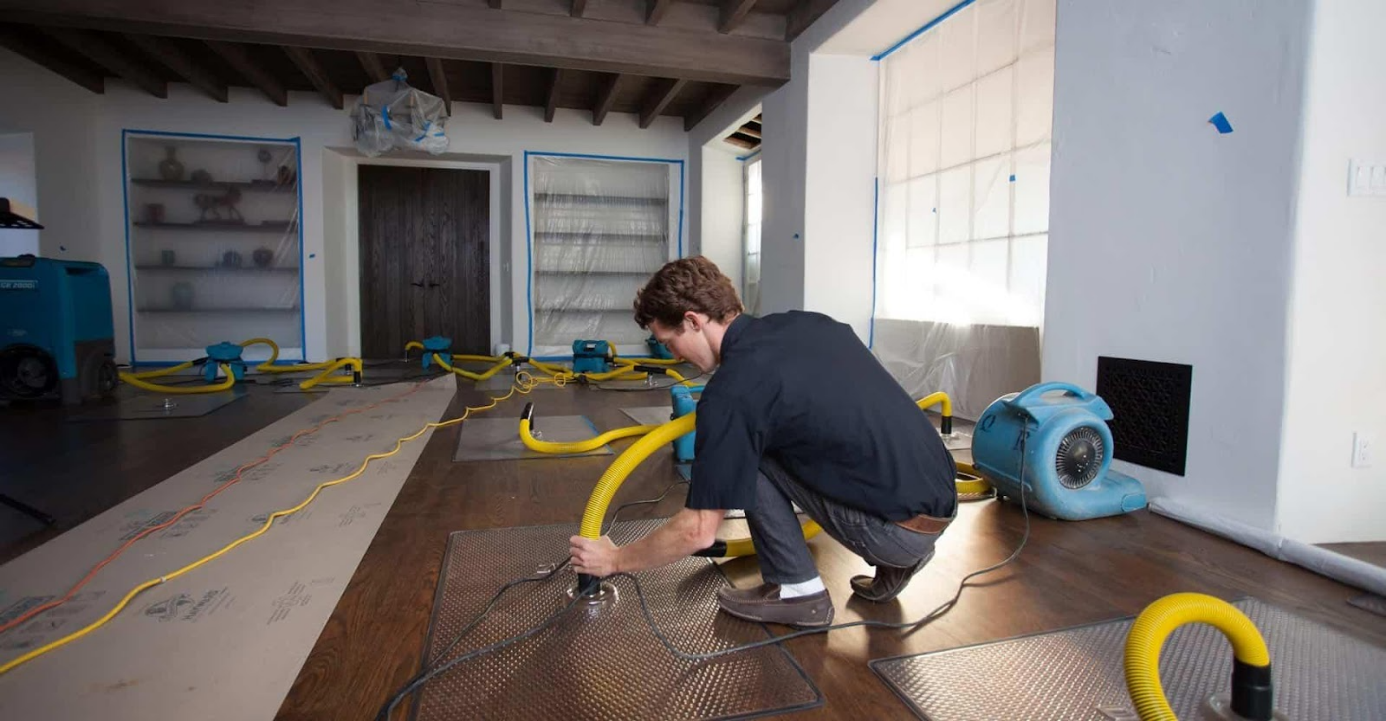
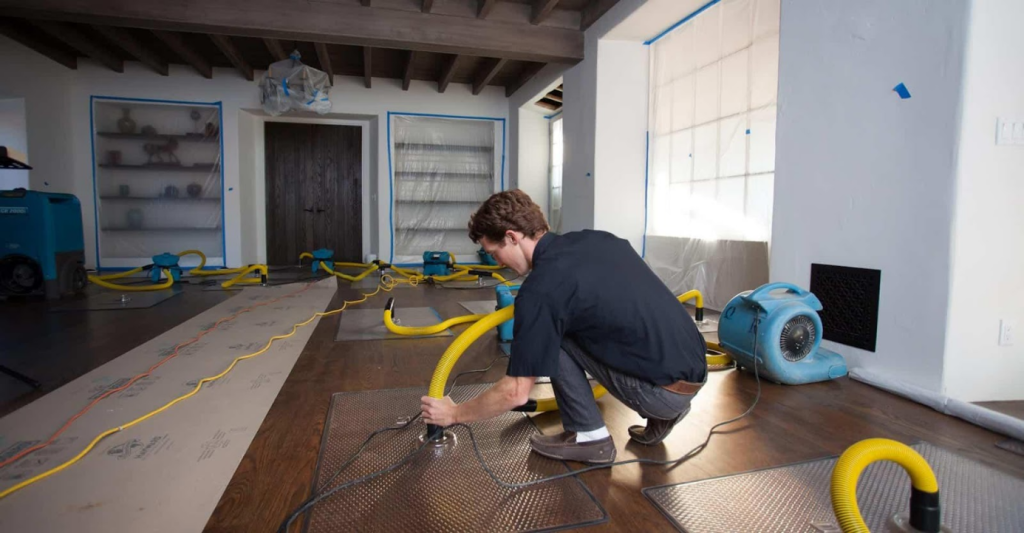
When you are faced with a leak or flood, there are risks beyond wet floors: there are serious health risks that could impact your entire family. Dampness changes the composition of the air you breathe and allows the growth of bacteria and mold—things that could still be there (or still be a risk to your family’s health) long after the surfaces dry. Follow this link for more information.
If you have a clear understanding of these risks, that knowledge will help you protect your kids, and it will help you re-establish a safe and healthy home for the duration of your recovery.
How Water Damage Affects Air Quality
Excess water increases indoor humidity, creating an ideal habitat for dust mites, mold, and other airborne allergens. Longer a material remains damp more likely the material deteriorates, releasing molecules and odors that irritate the lungs, nose, and throat. You may have noticed a damp smell, headaches, or more frequent nighttime coughs— these are early warning signs that the air is no longer safe for you or your family.
Technical services, such as structural drying, targeted dehumidification, and air scrubbing, eliminate excess moisture and accumulate inhalable spores that irritate the lungs. And if mold growth has begun or been visible, it should be remediated to keep mold from spreading to ducts and walls. Your professional will also consider the results of their moisture inspection; hidden damp space may exist in baseboards, cabinets, and subfloors where wet gypsum, wood, and other materials need to be fully dried to eliminate this future dampness issue.
Can Mold Cause Allergies?
Yes! Molds grow well in damp spaces and can colonize in hours to days on wallboard, carpets, and wood. Children, older adults, and anyone with respiratory concerns are at a higher sensitivity to measurable spore counts and fragments that mold releases during metabolic processes. When you need water damage restoration in Houston, it is important to act quickly in order to limit mold growth and help protect your child’s lungs. An inspection by trained, IICRC-accredited technicians can find hidden colonies and develop safe remediation protocols.
Common signs of mold-related allergies include:
- A stuffy/running nose that lingers longer than a cold
- Itchy, watery eyes and sneezing, especially at night or in the morning
- Coughing or wheezing that gets worse in damp rooms
- Rashes or skin irritation after touching wet materials
Bacteria in Standing Water Explained
Standing water is not just dirty water, but also potentially carries bacteria and viruses that you may have tracked in from the outdoors, plumbing backups, or a soaked crawl space. Even “clean” leaks can become unsafe within a day, as microbes are metabolizing or replicating on surfaces that are wet. Children to tend to spend a lot of time playing and sitting on the ground (which is often wet) in addition to touching their faces and playing with their mouths.
It’s clear why it is important to act fast here. Next to emergency water extraction that eliminates standing water on other surfaces before it starts to move further down, proper disinfection will reduce risk for stomach, skin and respiratory illness. If the source is related to a toilet, drain or floodwater, treat the exposure closely, and consider using a professional to clean sewage from your home.
Long-Term Exposure Concerns
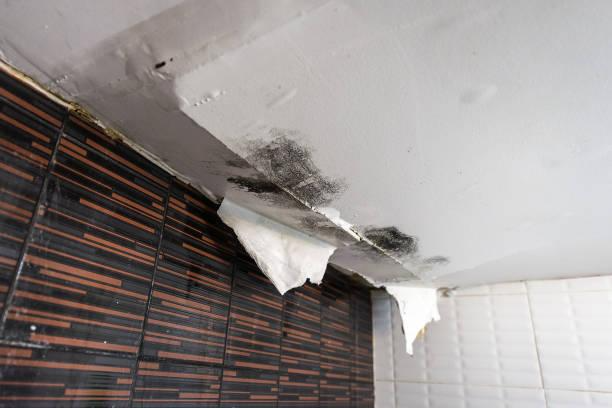
After damp is allowed to sit for weeks or months, the effects on health can add up. Even after your carpets feel dry, small particles of mold as well as dust mite allergens may still circulate your home. Low levels of exposure to wet dampness over an extended period of time, may wear down your family’s ability to respond to things like colds, allergies and asthma.
Issues of long exposure may include:
- Chronic sinus congestion, frequent sore throats, and nagging coughs
- Worsening asthma symptoms in general; however, this is even more of a concern in children and anyone with seasonal allergies
- Skin problems such as eczema flaring up from wet boiled fabrics and bedding
- Fatigue, poor sleep and stress resulting from odors and symptoms that won’t go away
Creating a Safe Home Environment
Your goal is to dry, clean and control the moisture—not just do it quickly, but also completely. First, stop the source and isolate the affected area so children and pets will not track the contamination through your home. If items are soaked and cannot be completely dried within 24 – 48 hours, dispose of the affected item. For example, wet padding underneath carpet is likely to be soaked through and should be discarded, as warped baseboard will not fully dry either—might as well repair base boarding.
If you have HEPA filtration (https://www.epa.gov/indoor-air-quality-iaq/what-hepa-filter), using that will take fine particulates out as you are drying. For large loss events, bringing in trained professionals for mold remediation and structured and step -by -step drying will ensure moisture is completely gone behind walls and beneath floors. With proper cleaning now you can return to healthy air and create a safe place for your family to breathe again.