
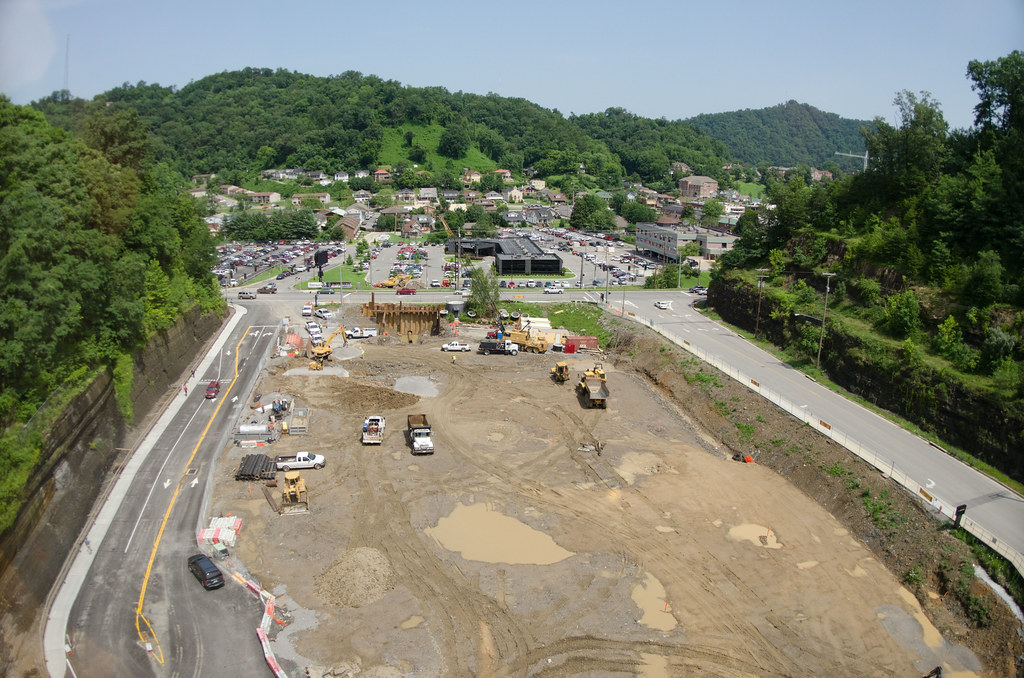
Infrastructure project delays can have serious consequences that extend beyond mere cost hikes. Prime Minister Modi’s recent review highlights the urgency of addressing these issues.
Overview of Modi’s Review
During a recent review of major infrastructure projects valued at Rs 78,000 crore, Prime Minister Modi emphasized the significant repercussions of delays in these initiatives. He pointed out that the impact of such delays extends far beyond mere cost increases, affecting various sectors and the overall economy.
Modi highlighted several key areas where infrastructure project delays have critical consequences:
- Economic Impact: Delays can hinder economic growth, as essential projects fail to deliver benefits on time.
- Job Creation: Stalled projects result in lost job opportunities, affecting livelihoods and employment rates.
- Public Services: Incomplete infrastructure can lead to inadequate public services, affecting quality of life.
- Investment Climate: Persistent delays may deter foreign and domestic investments, impacting long-term development.
Modi urged all stakeholders involved to prioritize timely completion and communicate effectively to ensure that infrastructure project delays do not derail progress in the nation.
Impact of Delays on Costs
Infrastructure project delays can have significant financial repercussions that extend well beyond initial cost estimates. When projects are delayed, the expenses associated with labor, materials, and equipment can increase dramatically. Such delays often result in:
- Inflation of costs: As time passes, the prices of materials tend to rise, making it more expensive to complete projects that were initially budgeted at lower costs.
- Increased labor costs: Prolonged timelines can lead to higher wages for workers, as contracts may need to be renegotiated to account for inflation or to retain skilled labor.
- Financing costs: Delays can extend the period of borrowing, leading to increased interest payments that further strain project budgets.
- Opportunity costs: Investments tied up in delayed projects could have been allocated to other initiatives, resulting in lost opportunities for development and growth.
The cumulative effect of these factors highlights the critical nature of addressing infrastructure project delays to avoid escalating costs and ensure the efficient use of public funds.
Government’s Commitment to Infrastructure
The government remains steadfast in its commitment to addressing the challenges posed by infrastructure project delays. Prime Minister Modi emphasized that timely execution of these projects is critical not just for economic growth, but also for public welfare.
During the recent review of projects worth Rs 78,000 crore, Modi highlighted several key areas where delays have far-reaching consequences:
- Job Creation: Delays can hinder job opportunities, affecting thousands who depend on these projects for employment.
- Public Services: Infrastructure projects are essential for improving public services; delays can lead to inadequate facilities for citizens.
- Investment Climate: Continued delays can deter foreign and domestic investment, as potential investors may seek more reliable environments.
- Overall Economic Growth: Infrastructure is a backbone of economic development, and delays can stall progress in various sectors.
As the government works to streamline processes and eliminate bottlenecks, the focus remains on minimizing infrastructure project delays to ensure that the benefits reach the public efficiently.
Future of Infrastructure Projects
The future of infrastructure projects in India hangs in a delicate balance as delays continue to plague ongoing initiatives. Prime Minister Modi’s recent review of projects worth Rs 78,000 crore highlighted that the repercussions of such delays extend far beyond mere cost increases.
As stakeholders grapple with the implications of these setbacks, several critical factors come into play:
- Economic Growth: Delays in infrastructure projects can hinder economic development, affecting job creation and investment opportunities.
- Public Trust: Prolonged setbacks can diminish public confidence in government capabilities, potentially leading to increased scrutiny and demands for accountability.
- Global Competitiveness: In an interconnected world, delays may impact India’s standing in the global market, affecting foreign investments and collaborations.
- Urban Development: Construction delays can exacerbate urban issues such as traffic congestion and inadequate public services, ultimately affecting citizens’ quality of life.
To navigate these challenges, a concerted effort is required to streamline processes and enhance accountability, ensuring that future infrastructure project delays do not jeopardize long-term national goals.
Public Response to Delays
The recent delays in significant infrastructure projects have sparked considerable public outcry. Citizens are increasingly vocal about the ramifications these delays present, not only for the economy but also for daily life.
Many residents express their frustrations through social media platforms, emphasizing how stalled projects have led to traffic congestion, reduced accessibility, and hindered local businesses. A survey conducted among urban populations revealed that over 65% of respondents believe that infrastructure project delays adversely affect their quality of life.
Local leaders are also weighing in, calling for more transparency and accountability from government officials. They argue that continuous delays in infrastructure projects can erode public trust and diminish faith in governmental promises. Community forums have become a popular venue for discussing these issues, with many participants suggesting that effective project management could prevent such setbacks in the future.
As the conversation around infrastructure project delays continues to grow, it is clear that the public is keenly aware of the broader implications that extend beyond mere cost increases.
By USDAgov via Openverse